Communities around the world are marking International Rational Use of Medicines Day on July 8, a global initiative urging safer, smarter and more responsible use of medicines.
Led by the International Society to Improve the Use of Medicines, the day highlights the importance of thoughtful prescribing, informed medicine use and shared responsibility across health systems.
This year’s theme — Prescribe with purpose *Use with care *Smart choices for a healthy future — underscores the need for evidence-based decisions and patient-centred communication at every step of the medicine journey.
Global medicine challenge
Medicines improve lives when they are used appropriately, safely and with clear understanding.
Yet inappropriate or unnecessary medicine use remains a persistent global challenge, contributing to avoidable harm, reduced effectiveness and rising costs.
International Rational Use of Medicines Day aims to shift that pattern by encouraging conversations among health professionals, policymakers and communities.
The campaign promotes five core pillars: evidencebased prescribing, patient-centred communication, reducing unnecessary medicine use, informed decision-making and improving medicine safety.
The International Society to Improve the Use of Medicines — or ISIUM — emphasises rational use of medicines is a shared responsibility involving prescribers, pharmacists, nurses, patients, families and health systems.
Why this matters
Health systems worldwide are grappling with rising medicine use, ageing populations and increasingly complex treatment regimens.
At the same time, misinformation and fragmented care continue to undermine safe medicine use.
International Rational Use of Medicines Day serves as a reminder; purposeful prescribing and informed medicine use are essential to improving health outcomes.
For healthcare professionals including community pharmacists, the day reinforces the importance of balancing evidence, patient goals and potential risks.
For communities, it encourages people to ask questions, understand their medicines, and take an active role in their care.
For policymakers, it highlights the need for investment in stewardship, education and system-level supports.
Campaign focus areas
The 2026 campaign highlights the importance of careful and evidence-based prescribing.
It encourages health professionals to engage patients in shared decision-making and to review medicines regularly to reduce harm.
The campaign also promotes reducing unnecessary medicine use, particularly antibiotics and other medicines that may be prescribed without clear benefit.
Supporting informed decision-making is another key focus, with an emphasis on clear communication about risks, benefits and alternatives.
Improving medicine safety remains central, with calls for stronger systems which support equitable access and responsible prescribing.
Global activities
International Rational Use of Medicines Day is marked by a wide range of activities across continents.
ISIUM organises online conversations such as Public education and medicine use: Time to rethink the strategy? to explore how health literacy and public engagement can be strengthened.
National media programs in Kazakhstan, Kurdistan and Belarus have featured interviews, social media posts and discussions with local champions of rational medicine use.
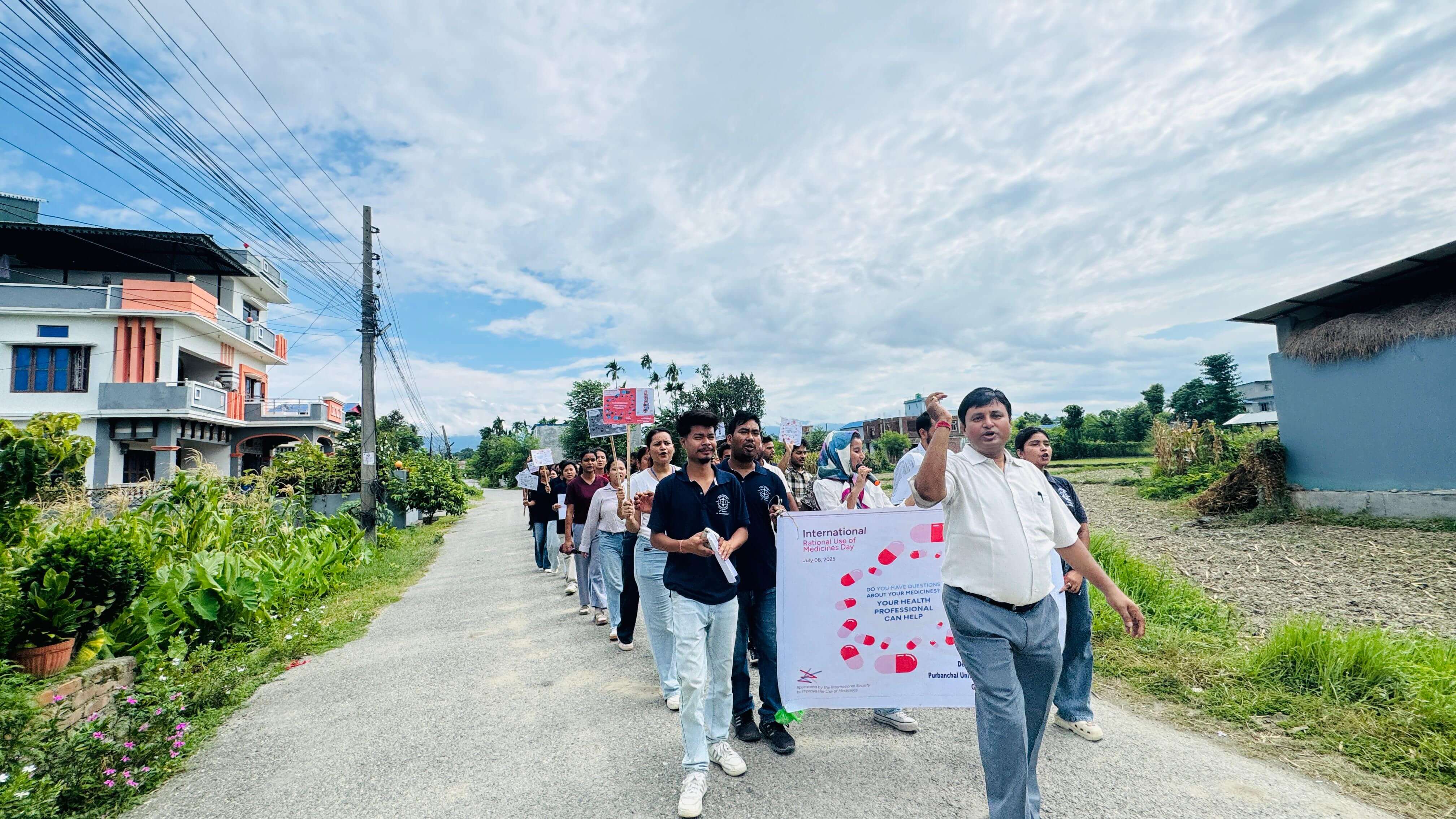
Local seminars and workshops in Nepal and other regions focus on safe prescribing, community engagement and medicine stewardship.
Community-level events, such as morning teas, aim to encourage patients to have their medicines reviewed and to return unwanted or expired medicines for safe disposal.
Hospitals and universities host lunchtime talks, grand rounds and displays of student work exploring rational medicine use.
These activities share a common goal of making medicine safety visible, accessible and actionable.
Future participation
ISIUM has campaign materials, including posters and visuals, to support local awareness activities.
Health professionals can participate by displaying posters in consult rooms, hospitals and community spaces.
Sharing campaign messages on social media can help amplify awareness and encourage conversations about medicine safety.
Workplaces, universities and community groups can host discussions or education sessions to promote informed medicine use.
Encouraging medicine reviews and safe disposal of expired or unused medicines is another practical way to support the campaign.
The international campaign encourages patients to ask questions about their medicines and to keep an up-to-date list of what they are taking.
Calls to action
For patients and community members, the campaign urges people to ask why a medicine is prescribed and how to use it safely.
Following directions carefully and seeking advice when unsure are key messages.
Avoiding unnecessary use of antibiotics and other medicines is also emphasised.
For health professionals, the campaign calls for prescribing according to evidence-based guidelines and individual patient needs.
It encourages engaging patients in shared decisionmaking and reviewing medicines regularly to reduce harm.
Clear communication about risks, benefits and alternatives is essential.
For policymakers and health systems, the campaign highlights the need to support programs that promote quality use of medicines.
It calls for investment in education, stewardship and safety initiatives.
Strengthening systems which ensure equitable access and responsible prescribing is a central priority.
Shared responsibility
International Rational Use of Medicines Day is more than a date on the calendar. It’s a global commitment to safer, smarter and more equitable healthcare.
By prescribing with purpose, using medicines with care and making informed choices, communities everywhere can contribute to a healthier future.
The campaign’s message is clear: rational use of medicines is essential to improving health outcomes and reducing preventable harm.
The responsibility is shared, and the opportunity for impact is significant.
Antibiotic misuse remains a major driver of antimicrobial resistance, now recognised as a leading global health threat.
Some 50 percent of medicines worldwide are estimated to be prescribed, dispensed or used inappropriately.
Up to 20 percent of unplanned hospital admissions in older people are linked to medicine-related harm, much of it preventable