This week’s interest rate rise has added further pressure to household budgets and renewed calls to stop the price of PBS medicines rising from January.
The Reserve Bank of Australia this week lifted the cash rate by 25 basis points to 4.85%, its fifth increase this year and the highest cash rate since 2008.
With Australians already paying more for mortgages and fuel, community pharmacists are concerned patients simply cannot absorb another increase in the cost of medicines.
The Australian Healthcare Index found 34% of Australians had gone without prescription medication in the past 12 months because of cost concerns, while 10% had reduced their dose to make their medicines last longer.
Recent YouGov research commissioned by the Pharmacy Guild of Australia also found 81% of Australians would be concerned if the price of PBS medicines increased in January, while 78% want medicine prices frozen or reduced to help with cost-of-living pressures.
National President Professor Trent Twomey said this week’s interest rate decision reinforced the need to give patients certainty over medicine costs.
“Families are already finding more of their pay packet going on the mortgage, fuel and food. They simply cannot afford for the price of their medicines to start going up again.
“With one in three people going without prescription medicine because of cost, increasing the price is the last thing the government should be doing.”
What pharmacists are seeing
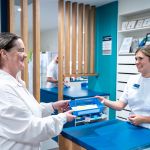
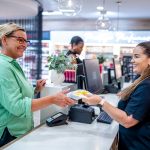
For community pharmacists, medicine affordability is not an abstract economic issue. They see its impact across the pharmacy counter every day.
Nicholas Trevethan, Managing Partner at Erindale Pharmacy in Wanniassa, said keeping the maximum general PBS co-payment at $25 had made a tangible difference, particularly for patients taking several medicines.
“To be able to keep medicines capped at $25 has made medicines more affordable, especially when people are on multiple medicines at one time. They've been able to take their two or three medicines a month without making it a cost pressure.”
Canberra pharmacist Brad Butt, from Life Pharmacy Group, sees the impact particularly among patients who do not qualify for a concession card, including tradies and lower-paid workers.
“There's a lot of appreciation for it and it means they can then prioritise taking their medicines, which we know is going to make them more productive and happier and healthier.”
For some patients, the choices can be much more serious. Waqas Ashraf from Amcal at Belconnen Mall recalls discovering a patient was using expired insulin because they could not afford to replace it.
“It was really heartbreaking for me that they have to inject something which is expired and she was taking this chance.”
Building on a cheaper medicines legacy
The prospect of another increase comes after two terms in which the Albanese Government has made cheaper medicines one of its signature cost-of-living policies.
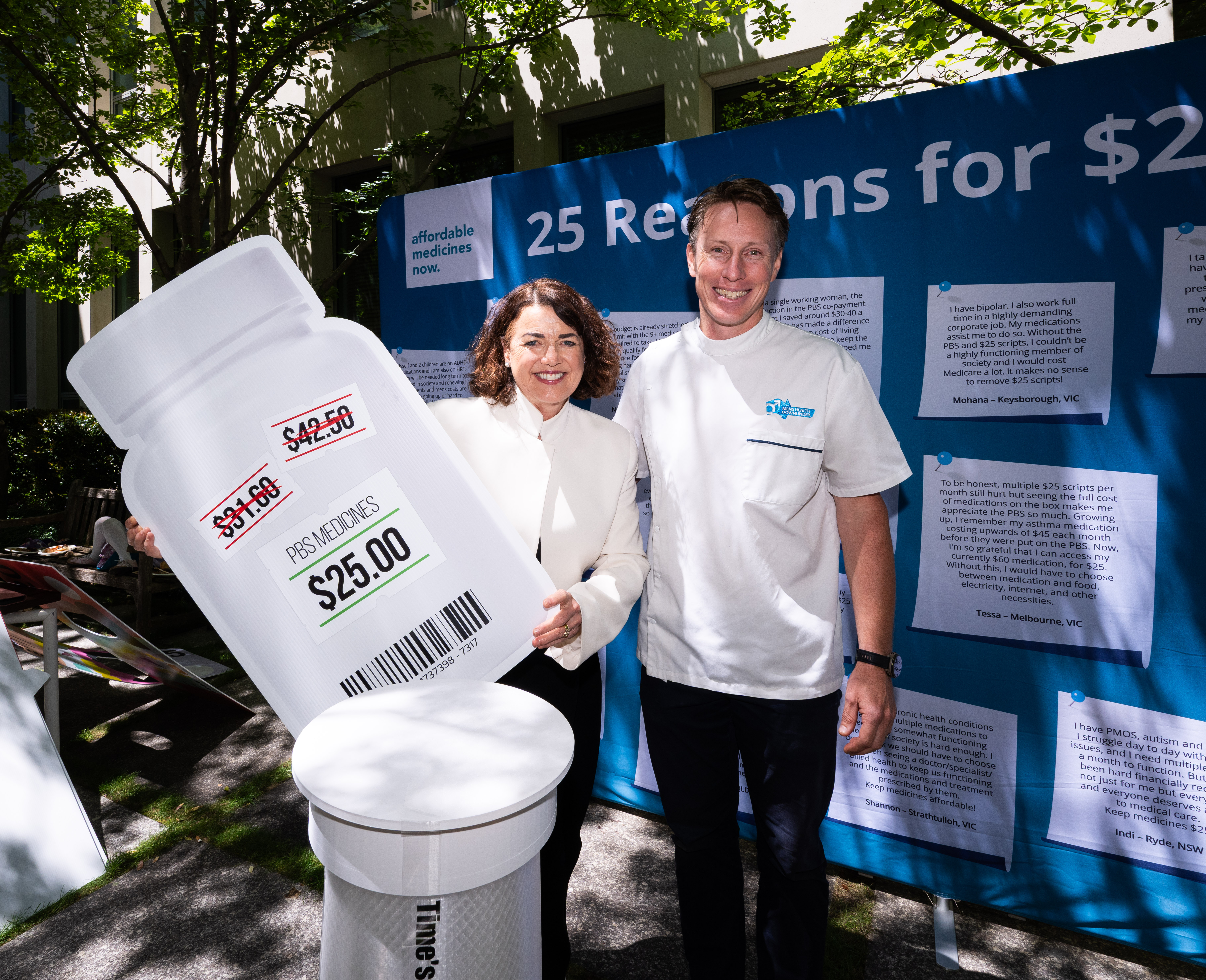
The Government became the first in the history of the PBS to cut the maximum co-payment, initially reducing the maximum general co-payment from $42.50 to $30 in 2023. It followed with another historic reduction, cutting the maximum general PBS co-payment to $25 from 1 January 2026.
That second reduction took the maximum general co-payment to its lowest level in 20 years. Without those reductions, indexation would have pushed the maximum price of a general PBS prescription to more than $50.
But unless the Government acts again, the $25 maximum will begin rising with indexation from 1 January 2027.
Professor Twomey said freezing the co-payment would build on the Government’s cheaper medicines legacy and protect the gains already delivered to patients.
“This Government has made cheaper medicines one of its signature policies and has done more than any government before it to bring down the maximum price patients pay for PBS medicines.
“Now, with interest rates rising again and families under renewed pressure, the next step is clear: keep the price at $25.
“Australians have felt the benefit of cheaper medicines. We shouldn't start winding that relief back at the very time household budgets are being squeezed hardest.”
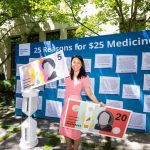
The Pharmacy Guild is calling on the Federal Government to freeze the maximum general co-payment at $25 until at least 2030, providing the same certainty already given to concession card holders, whose PBS co-payment is frozen at $7.70.
Professor Twomey said this week’s rate rise brought fresh urgency to the issue.
“Interest rates are going up and so is the cost of everyday essentials. Now is not the time to allow the price of medicines to rise too.
“The Government has made cheaper medicines a defining cost-of-living policy. Freezing the co-payment at $25 would protect that legacy and give patients certainty through to at least 2030.”
For community pharmacists seeing financial pressure play out across the counter every day, the message is simple: when household budgets are being squeezed even harder, medicines cannot become another essential that patients are forced to go without.
Sign the petition to freeze the co-pay at $25 here