From June 2 2026, community pharmacies nationwide could begin offering funded consultations, referral and treatment for a range of common health conditions.
It’s a significant step forward for patients, accessibility, and the growing role of pharmacy within primary healthcare in New Zealand.
Most importantly, it makes getting care easier. Parents will no longer need to wait days or weeks for a GP appointment or sit for hours in an emergency department.
Instead, they can walk into their local pharmacy, often open extended hours, with no appointment needed, and receive timely care from a highly trained healthcare professional.
As New Zealand Minister of Health Simeon Brown said, this initiative will make it “easier and more affordable for parents to get treatment for their children for a range of common health conditions”.
And honestly, this is exactly what community pharmacy should be doing.
From June 2 2026, community pharmacies nationwide could begin offering funded consultations, referral and treatment for a range of common health conditions.
Included services
Current Extended Pharmacy Services include funded treatment and advice for:
- Scabies for children under 14 and their families
- Headlice for children under 14 and their families
- Oral rehydration treatment for children under 14
- Access to analgesia for children under 14
- Conjunctivitis treatment for children under 14
- Uncomplicated urinary tract infections for women aged 16 to 65
- Emergency contraception for women under 25
Some regions already had access to selected services, but this is the first time we have seen a nationally consistent approach.
Participation remains voluntary for pharmacies.
Community benefits
This initiative recognises something our profession has known for a long time: pharmacists are highly accessible, highly trusted and highly capable healthcare professionals.
Every day in pharmacies across New Zealand, pharmacists are already assessing symptoms, giving clinical advice, supporting self-care and helping patients navigate the healthcare system.
These services simply acknowledge that work and finally provide funding for it.
Community pharmacy is often the front door to healthcare, especially in rural communities, after-hours, and for patients struggling to access timely GP appointments.
We are perfectly placed to manage common conditions safely and appropriately, while helping relieve pressure across the wider health system.
This is not about replacing general practice. It’s about using the workforce we already have more effectively.
The future of pharmacy is evolving quickly and it’s exciting to see our profession continuing to step forward with confidence.
How we got here
These services were made possible through funding secured by PGNZ in 2025, following extensive engagement with senior officials at Health New Zealand around nationally consistent pharmacy services and improvements to the Integrated Community Pharmacy Services Agreement (ICPSA).
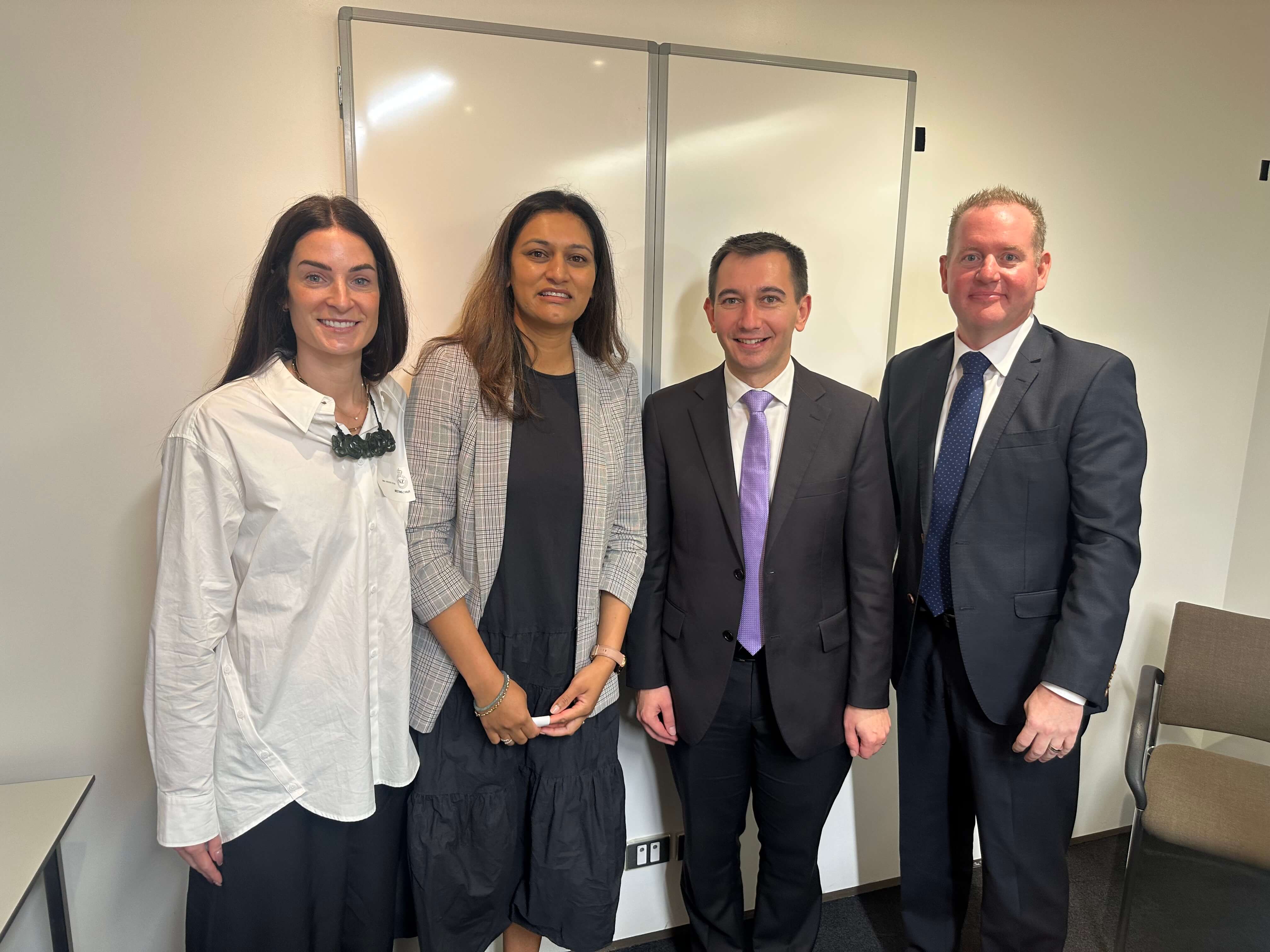
I also want to acknowledge the work of the Extended Pharmacy Services Working Group, which included PGNZ staff, who worked collaboratively on service design, funding and implementation.
The result is a practical, patient-focused programme that I believe is only the beginning.
Pharmacy impact
Extended Pharmacy Services now sit within the ICPSA as a funded service schedule available to all pharmacies.
Pharmacies will receive funding for the consultation itself, reimbursement for medicines and approved treatment aids supplied, and standard dispensing fees where applicable.
Importantly, pharmacists are already managing these conditions. This programme does not create a new scope of practice – it funds and formalises care that pharmacists are already safely delivering.
Consultations can be undertaken by:
- Registered pharmacists
- Intern pharmacists under supervision
- Registered nurses working within scope
Better access
This is exactly where community pharmacy adds value.
Accessible, clinically capable healthcare delivered close to home.
As pressure across the health system continues to grow, funding pharmacies to do more simply makes sense.
You don’t need an appointment. Pharmacies are embedded in communities. Many are open evenings and weekends. Patients can walk in, ask questions, and receive care quickly. That matters.
Patients accessing these services will pay a co-payment of:
- NZD 5 with a Community Services Card or NZD 20 without a card
- Emergency contraception consultations remain free
For many New Zealanders, particularly in rural or underserved communities, this will mean faster treatment, lower costs and easier access to healthcare close to home.
And this shouldn’t be the end of the conversation. Community pharmacy has the capability to do even more.
I see this as an important step toward a more modern, integrated healthcare system where pharmacists are enabled and funded to do more for the benefit of patients and the wider system alike.
Funding should follow the patient, not the provider.
The future of pharmacy is evolving quickly and it’s exciting to see our profession continuing to step forward with confidence.