When you’re at home in Lyons, which community pharmacy do you rely on — and what personal memories stand out about the role it has played for you and your family?
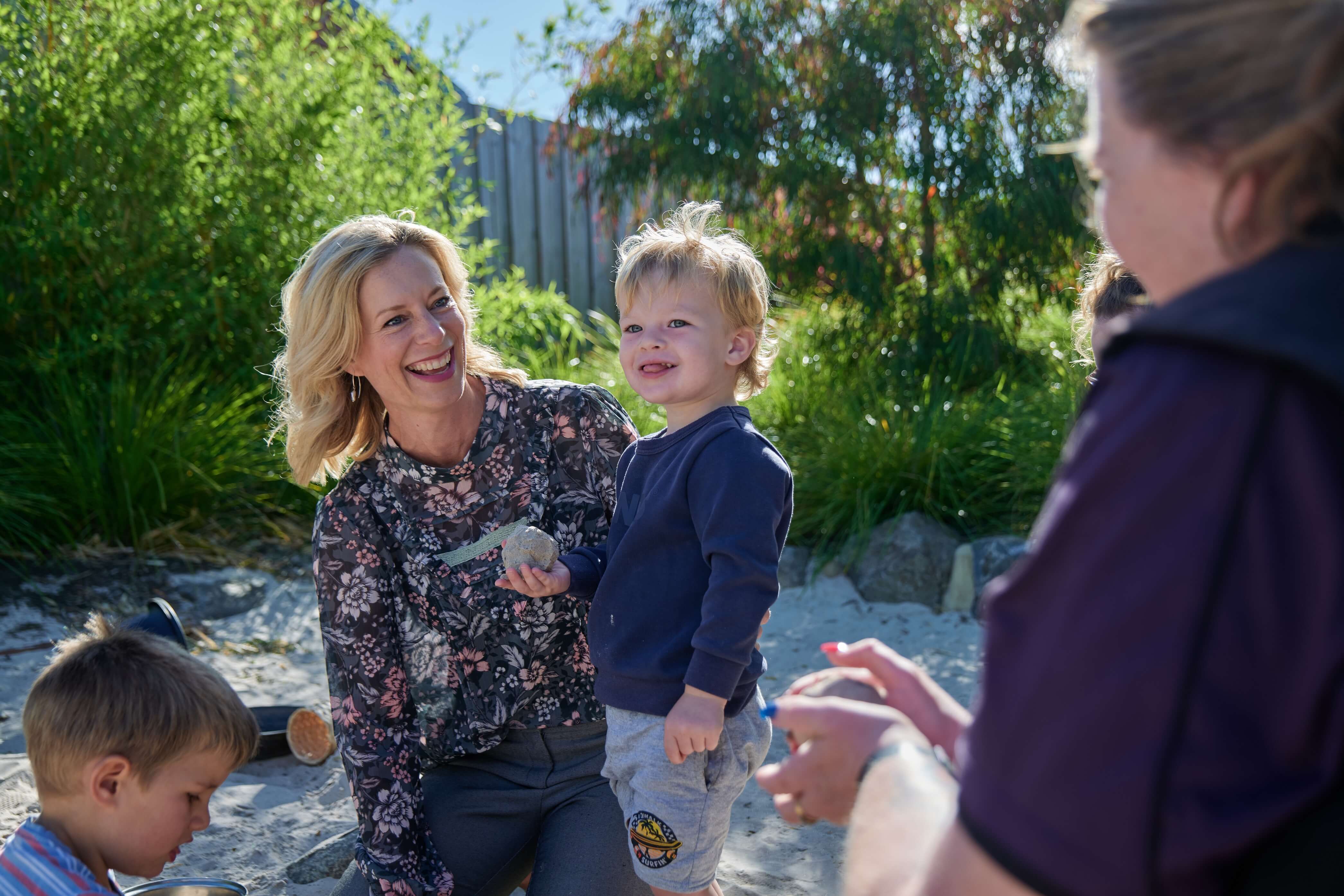
As a mum of two, I’ve had plenty of moments standing in our local pharmacy with a sick child looking for advice, reassurance or the right treatment to help them feel better. I think most parents can relate to that feeling.
Community pharmacies are often the people who help families navigate those moments because they’re accessible, knowledgeable and deeply connected to the communities they serve.
Over the years, I’ve seen just how important that role is not just for young families, but the older members of our community too. Their pharmacist is someone they know and trust, and that relationship can make a real difference when it comes to staying healthy and getting the care they need.
You’ve spoken recently about the importance of strengthening Medicare and improving access to primary care. From your perspective, where have you seen the most meaningful progress for women and families in the past few years?
I’m proud of the investment our government has made to strengthen Medicare and list more medicines on the PBS which has helped people access the health care they need, in most cases with no out-of-pocket expenses.
For some this has been lifechanging, especially for women who have been able to access menopause therapies through the PBS or benefit from cheaper contraceptives.
Over more than a decade in public life I’ve met extraordinary people in every corner of the electorate. Their stories, challenges and aspirations have shaped the way I approach politics and remain my greatest motivation.
Cost-of-living pressures have meant some Tasmanians had previously delayed seeking healthcare. We are working hard to make the system fairer and more equitable. In Lyons alone, more than 1.8 million cheaper PBS scripts have been filled, saving local residents more than AUD 9.1 million.
We’ve also seen bulk billing rise to more than 82 percent, with the number of fully bulk-billing clinics in Lyons increasing from six to 18.
The historic investments we have made through the Women’s Health Package have been transformational. It has also brought the conversation about women’s health needs to the national stage.
More women are hearing about perimenopause, menopause, periods and pain and understanding that they can get help and support if they need it.
You’ve represented the people of Lyons for more than a decade across state and federal politics. What are the three biggest personal or professional changes you’ve experienced during that journey?
Professionally, moving from state politics to the Federal Parliament has been a significant shift. It has given me the opportunity to work on national reforms and be part of delivering changes that can make a difference to people’s lives right across Australia. But the constant through all of it has been the privilege of representing Lyons, the community where I grew up.
Over more than a decade in public life I’ve met extraordinary people in every corner of the electorate. Their stories, challenges and aspirations have shaped the way I approach politics and remain my greatest motivation.
I remind myself that the decisions I make affect my family, neighbours and friends and that makes politics very personal for me.
As Assistant Minister for Women, what feedback have you heard from women — particularly in regional and rural communities — about access to timely, affordable healthcare?
Women want healthcare to be affordable and accessible, and they want to be heard. Women are often juggling an incredible amount and they experience delays in accessing care for a range of reasons.
The Albanese Labor Government has made women’s health a national priority. Our focus has been the delivery of our Women’s Health Package, making it easier for women and girls to access high quality health care.
Sometimes this is due to cost as they are less likely to spend money on themselves if they have caring responsibilities, or due to distance because it is hard to prioritise themselves and find the time if they live far from a service.
But overwhelmingly I have heard women tell me their care was delayed because they weren’t taken seriously. Even for things as serious as a heart attack or stroke, but also for a range of issues like pelvic pain, endometriosis, perimenopause and menopause symptoms.
To better understand women’s experiences we have also established the Ministerial Expert Panel on Women’s Health with an initial focus on cardiovascular health because we know women want a health system that understands their experiences and supports them through every stage of life.
That’s why we’re focused not only on affordability, but also on improving awareness, strengthening the evidence base for women’s health and ensuring women can access the care they need closer to home.
The government has made significant investments in women’s health, including endometriosis and pelvic pain clinics and the menopause awareness campaign. Looking ahead, what further improvements would you like to see to strengthen women’s health outcomes nationally?
The Albanese Labor Government has made women’s health a national priority. Our focus has been the delivery of our Women’s Health Package, making it easier for women and girls to access high quality health care.
We’ve already made significant progress with the new contraceptive options and menopause treatments, and the rollout of a national network of Endometriosis and Pelvic Pain Clinics including services delivered through Family Planning Tasmania, helping more women access care closer to home.
I am particularly focused on the next stage of initiatives that we have and will be rolling out for the rest of this year including perimenopause and menopause support at the Endometriosis and Pelvic Pain Clinics from July 1.
I was also very excited to launch Australia’s first national menopause and perimenopause awareness campaign in May this year.
I got into politics to make a difference, and I’m really proud of what we’re delivering in health, right around the country.
This will help women better understand the changes they may experience and encourage more open conversations about a stage of life that has too often been overlooked.
We’re continuing to improve access to contraception through a new national network of Long-Acting Reversible Contraception Centres of Excellence, including one here in Tasmania, giving more women access to expert advice and care and greater choice when it comes to managing their reproductive health.
We will also be rolling out a new contraceptive decision-making tool later in the year to support women when they are choosing the right contraception method for them.
But there is still more work to do. That’s why I am particularly focused on improving outcomes in areas where women continue to face barriers to diagnosis, treatment and support.
The Ministerial Expert Panel on Women’s Health is an important part of that work. With an initial focus on cardiovascular disease we are looking at the barriers women face to getting the care they need.
As one of the leading cause of illness and death for Australian women we are taking the need for change seriously.
Women can experience cardiovascular disease differently to men, often with symptoms that are less widely recognised. This can lead to delayed diagnosis and treatment, increasing the risk of poorer health outcomes.
Women are also consistently underrepresented in cardiovascular clinical trials, limiting the evidence base needed to deliver sex- and gender-responsive care.
The expert panel brings together clinicians, researchers, advocates and women with lived experience, providing government with expert, evidence-based advice informed by the latest research, clinical practice and consumer perspectives.
Women’s health doesn’t begin and end with one stage of life, it’s about making sure women and girls have access to the right care, information and support throughout their lives and that’s exactly what this government is committed to delivering.
In your role as Assistant Minister for Indigenous Health, how do you view the contribution of community pharmacists in improving culturally safe care and closing the gap in access to essential medicines and primary health services?
Everyday community pharmacists play a critical role in delivering accessible and timely care, trusted health advice and preventative health services, particulary in regional and remote communities.
They aren’t just a health professional they are part of the community too. As Assistant Minister for Indigenous Health, I see pharmacists playing an important role not just in providing medicines, but in building trust and culturally safe services, supporting preventative health and helping First Nations people navigate the health system.
I am looking forward to continuing to work with communities, Aboriginal Community Controlled Health Organisations and the new First Nations Pharmacy Network at the Pharmacy Guild to understand the ways we can support First Nations people across the country.
One of the biggest opportunities we have is to grow a health workforce that reflects the communities it serves. For pharmacy students, particularly those from regional and Aboriginal and Torres Strait Islander backgrounds, that means making sure the pathway into the profession is accessible, supported and connected to community needs from the very beginning.
I am hearing from the sector that the Closing the Gap PBS Co-payment Program and the Remote Area Aboriginal Health Services Program help remove barriers to essential medicines, ongoing care and contributes to improved health outcomes for eligible First Nations people.
Services and support that work with and for First Nations people in Closing the Gap are vital. Alongside ACCHOs, community pharmacists have and can have an important role to play, and we all need to work together closely on achieving the targets related to health equity and access.
Tasmania now has end-to-end GP training available across multiple campuses. What changes would you like to see to ensure pharmacy students — particularly those from regional and Indigenous backgrounds — are properly supported as part of the broader health workforce reform agenda?
One of the biggest opportunities we have is to grow a health workforce that reflects the communities it serves. For pharmacy students, particularly those from regional and Aboriginal and Torres Strait Islander backgrounds, that means making sure the pathway into the profession is accessible, supported and connected to community needs from the very beginning.
We know students who train in regional areas are more likely to stay and work in regional communities.
That’s why initiatives such as the Rural Health Multidisciplinary Training (RHMT) Program funds universities to enable health students (including pharmacy students) to undertake education and training in rural Australia.
The program is a AUD 250-million per annum investment and operates on the premise that extended and positive rural clinical placements result in greater numbers of graduates choosing to practise rurally.
The program also supports rural clinical placements for pharmacy students, with 68 student placements being funded within Tasmania, and 497 placements funded nationally.
The RHMT also encourages universities to perform interprofessional education and training activities to prepare students for futures in which they will work in partnership with other health professionals to meet the complex care needs of rural communities.
The program also requires universities to facilitate the improvement of First Nations health and health workforce outcomes by providing cultural safety training, bolstering the number of graduating First Nations students through targeted program, dedicated First Nations health courses and recruiting First Nations staff.
What I have been particularly interested in learning about is work being undertaken to encourage children, adolescents and young people to engage in careers in the health sector, which we also need to discuss when we talk about end-to-end training opportunities
You’ve been a strong advocate for improving access to urgent care, bulkbilling, and cheaper medicines. What are your top priorities for ensuring women, older Australians, and First Nations communities continue to benefit from these reforms?
My priority is making sure the people who face the greatest barriers to healthcare continue to see the greatest benefits from these reforms.
For women, that means continuing to improve access to affordable healthcare and medicines throughout every stage of life. Whether it’s cheaper contraception, menopause treatments, endometriosis care or IVF treatments, we want to ensure cost is never a barrier to getting the care you need.
For older Australians, it’s about making healthcare simpler, more affordable and closer to home. Many older Australians rely on multiple medicines to manage chronic conditions, which means even small increases to cost can have a significant impact.
That’s why freezing PBS costs for concession holders at AUD 7.70 until 2030 is so important. It provides certainty and helps ensure people can continue to access the medicines they need without delay. Combined with better access to urgent care and bulk billing clinics, these help people stay healthier for longer and maintain their independence.
For many older Australians, that means fewer difficult decisions at the pharmacy counter and greater confidence that they can continue managing their health without additional financial pressure.
In Lyons, we’ve also seen strong demand for our Medicare Urgent Care Clinics, with more than 14,000 presentations at the Bridgewater clinic and more than 4,200 presentations at the Sorell clinic since they opened.
For families, that means the reassurance of knowing there’s somewhere local to turn when a child is unwell, an injury needs attention or care is needed quickly.
For First Nations communities continued and sustainable investment in Aboriginal Community Controlled Health Organisations and programs that reduce the cost of medicines is essential.
But also ensuring ACCHOs have the same opportunities to deliver programs like urgent care and mental health care in their communities.
The common thread through all of these reforms is fairness. Everyone should be able to access the healthcare and medicines they need, regardless of their age, income or postcode.
Given your portfolios, how do you personally think about modelling good health and wellbeing — and what are your top three tips for our readers?
I’m certainly not perfect, and like most working parents I spend a lot of time trying to balance work, family and everything else life throws at you. My first tip is to prioritise preventative healthcare. Don’t put off appointments, screenings or health checks. Looking after your health early can make a real difference later.
Secondly, stay connected. Good health is about more than physical health. Spending time with family, friends and your community is incredibly important for our wellbeing.
And finally, be kind to yourself. We all have busy periods where life feels overwhelming. Taking time to rest, get outside, move your body and do things you enjoy is not a luxury, it’s an important part of staying healthy.
As a mum, I know how easy it is to put everyone else’s needs first, but looking after ourselves helps us show up for the people who rely on us too.
Looking back on your time in public life so far, across both state and federal parliament, what are you most proud of?
In my nearly 15 years of being a Tasmanian MP and Leader of the Tasmanian Labor Party, I was proud of many strong health care policies that we took to each election. It was always a frustration to not be able to implement any of those policies and to see health care for Tasmanians decline over many years.
Since my election to the Federal Parliament, I’ve been proud to contribute to changes that are making healthcare more affordable and more accessible for millions of Australians, and which will continue to do so for many years to come.
We’ve made the biggest investment in Medicare since Labor created it, lifting bulk billing rates even beyond our own expectations. We’ve delivered a landmark women’s health package, putting in place the healthcare women were missing out on for too long.
We’ve built a network of Medicare Urgent Care Clinics across the country, started the rollout of Medicare Mental Health Centres and Kids Hubs, and reduced the cost of prescription medicines to the lowest level since 2004.
And I’m seeing the benefit of all this in my local community. Tens of thousands of my constituents have used a Medicare Urgent Care Clinic.
There’s triple the number of fully bulk billing GPs in Lyons than there was before our changes. My constituents have saved nearly AUD 10 million with our Cheaper Medicines policy.
All of this makes a difference for people, who I know have been doing their best to manage cost of living challenges. But I also know that amongst these big numbers are people who have been able to go to the doctor, who otherwise wouldn’t have because of the cost, and whose lives were saved because their GP caught a condition just in time.
There are people who have previously skipped the medication they needed, because they simply couldn’t afford it, and who are now back on track.
I got into politics to make a difference, and I’m really proud of what we’re delivering in health, right around the country.