
When heroin-use was rife in England in the 80s and 90s, Victoria vividly remembers her dad dispensing prescription methadone “out the back” of his pharmacy.
“I understood from a young age that drugs have an incredible capacity to help and heal people but also cause profound harm,” she says.
I remember people coming into Dad’s pharmacy looking agitated and edgy, and I realise now they were probably in withdrawal.
Dr Victoria Manning
“I think that sparked a level of interest in how substances interact with the human brain and the body — and inspired me to study psychology and eventually a PhD in schizophrenia and addiction.”
A career in addiction
While she doesn’t dwell on the darker moments of that era, Victoria often reflects on her father’s unwavering commitment to his community.
It’s a legacy she recognises has profoundly shaped her own path into addiction research and life-saving care.
She has now spent more than two decades as a clinical researcher, in countries including Singapore and Australia, specialising in drug and alcohol treatment.
In addition to this, she has run addiction recovery groups for several years as a volunteer. And while she’d never say it herself, her work is helping to save lives.
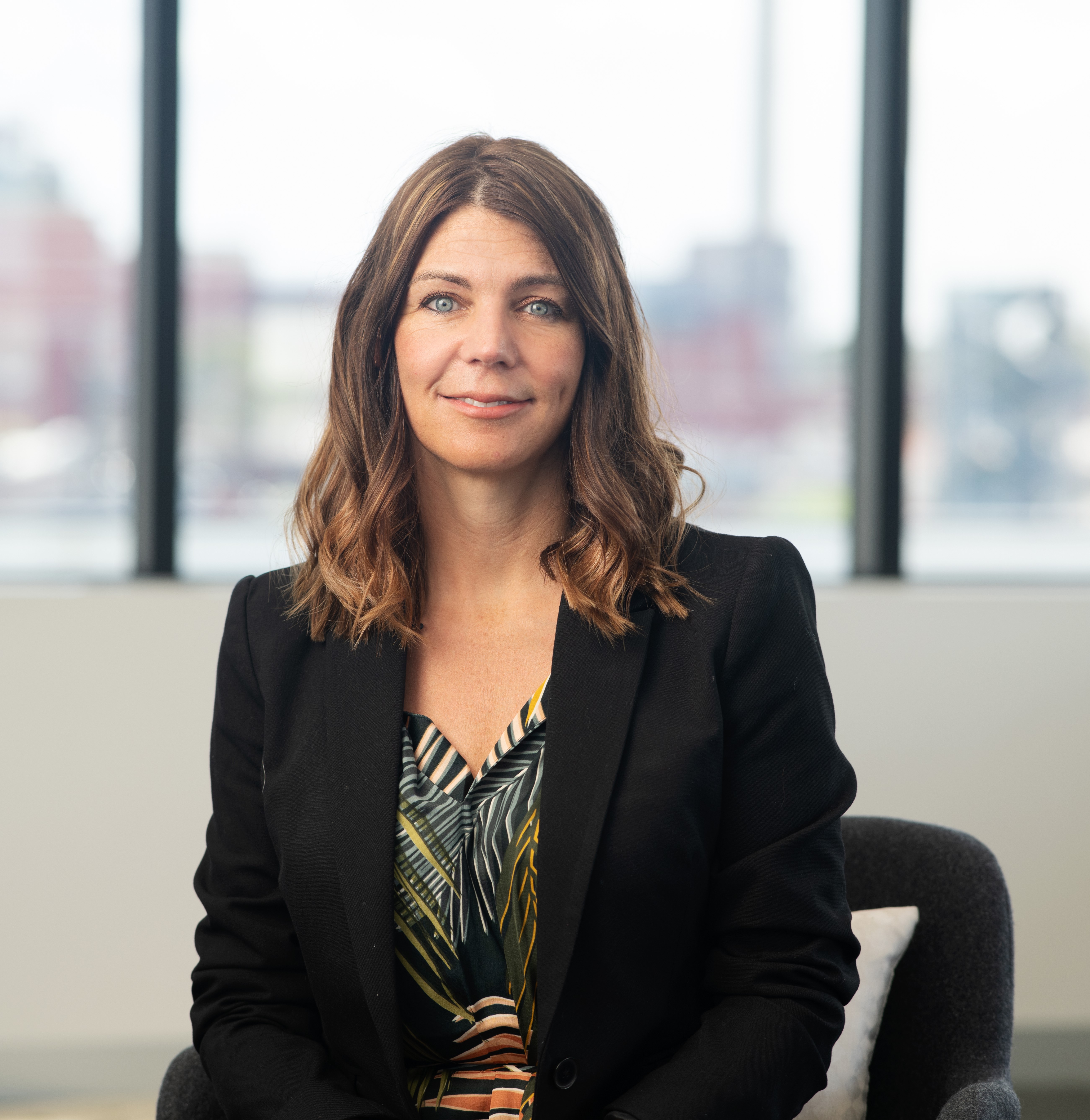
As Professor in Addiction Studies at Melbourne’s Monash University, and Head of Research and Workforce Development at Turning Point — a drug and alcohol treatment research and education centre — Victoria has dedicated her career to finding new ways to treat and respond to people struggling with addiction.
Much of her work focuses on understanding if cognitive processes can be retrained to support recovery.
“We are testing and developing new interventions — sometimes we are trialling new drugs, medications or treatments for different conditions,” she says.
“I run a research program that looks at neurocognitive training interventions, and that develops and tests psychosocial and peer-based interventions.
“A lot of what we do is trying to understand the limitations and opportunities with the current treatment system.”
Pharmacy links
Having worked and studied across the UK, Singapore and Australia, Victoria has focused much of her career on research tied closely to pharmacy practice.
This has included a UK-wide study examining pharmacists’ dispensing records for opioid substitution treatments — methadone and buprenorphine among them — to shed light on GP prescribing trends.
I often wonder what Dad would be thinking about the mass expansion of pharmacists’ roles, you know, giving COVID injections and health screening and many other important clinical services that is now part of their scope of practice.
Dr Victoria Manning
She has been involved in studies developing toolkits and resources for pharmacists to help patients recognise signs of opioids overdose, and clinical trials for substance use disorders, including N-acetylcysteine, an antioxidant, as a treatment for methamphetamine dependence.
Other trials Turning Point have conducted include MDMA-assisted psychotherapy for PTSD and alcohol, and lisdexamfetamine for methamphetamine dependence.
“I keep coming back to my early fascination with addiction,” Victoria says.
“I remember people coming into Dad’s pharmacy looking agitated and edgy, and I realise now they were probably in withdrawal.
“They would have their methadone dose and look relived.”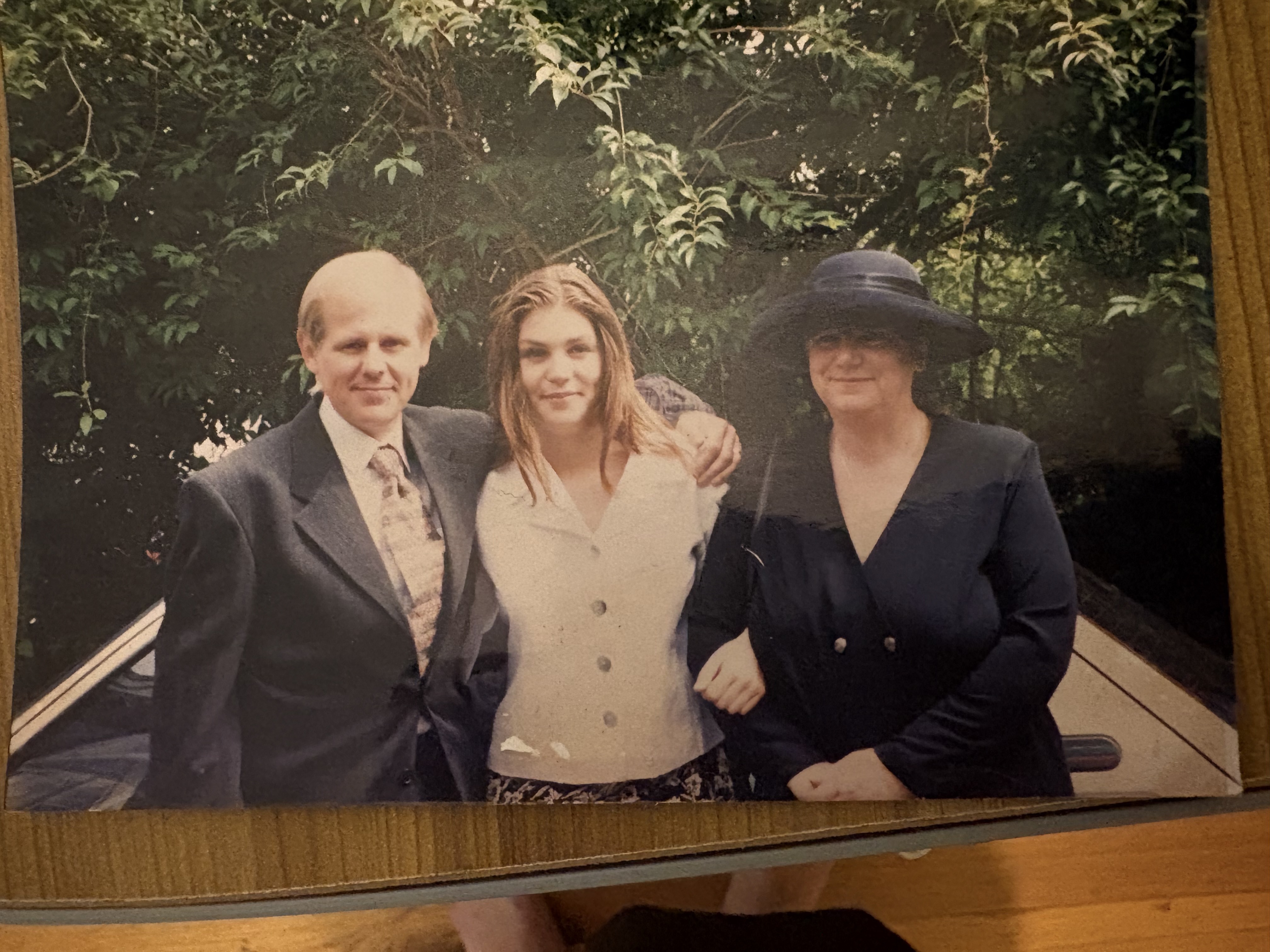
A family affair
While much of their family life revolved around the pharmacy, it was also what brought her parents together.
They met while her mother was working on the make-up counter at Boots, one of the UK’s oldest pharmacy chains.
I was probably the highest-paid 15-year-old in the country because he’d pay me my salary, and then at the end of each day, I would go round and get all the hair and makeup products I wanted.
Dr Victoria Manning
Her father began his career working for a pharmaceutical development company in Nottingham, before eventually opening two pharmacies in Crawley, West Sussex, not far from Gatwick Airport.
Victoria and her sister spent many afternoons riding their bikes behind the pharmacies, while their parents worked as a team to serve the community.
“The ‘old girls’, as my dad would call them, would come in for their medication and just be grateful for some social interaction.”
Victoria and her sister eventually worked there too, helping to replenish shelves and complete stocktakes.
“I was probably the highest-paid 15-year-old in the country because he’d pay me my salary, and then at the end of each day, I would go round and get all the hair and makeup products I wanted,” she says.
Sadly, her father passed away just two years into his retirement.
“I often wonder what Dad would be thinking about the mass expansion of pharmacists’ roles, you know, giving COVID injections and health screening and many other important clinical services that is now part of their scope of practice.”