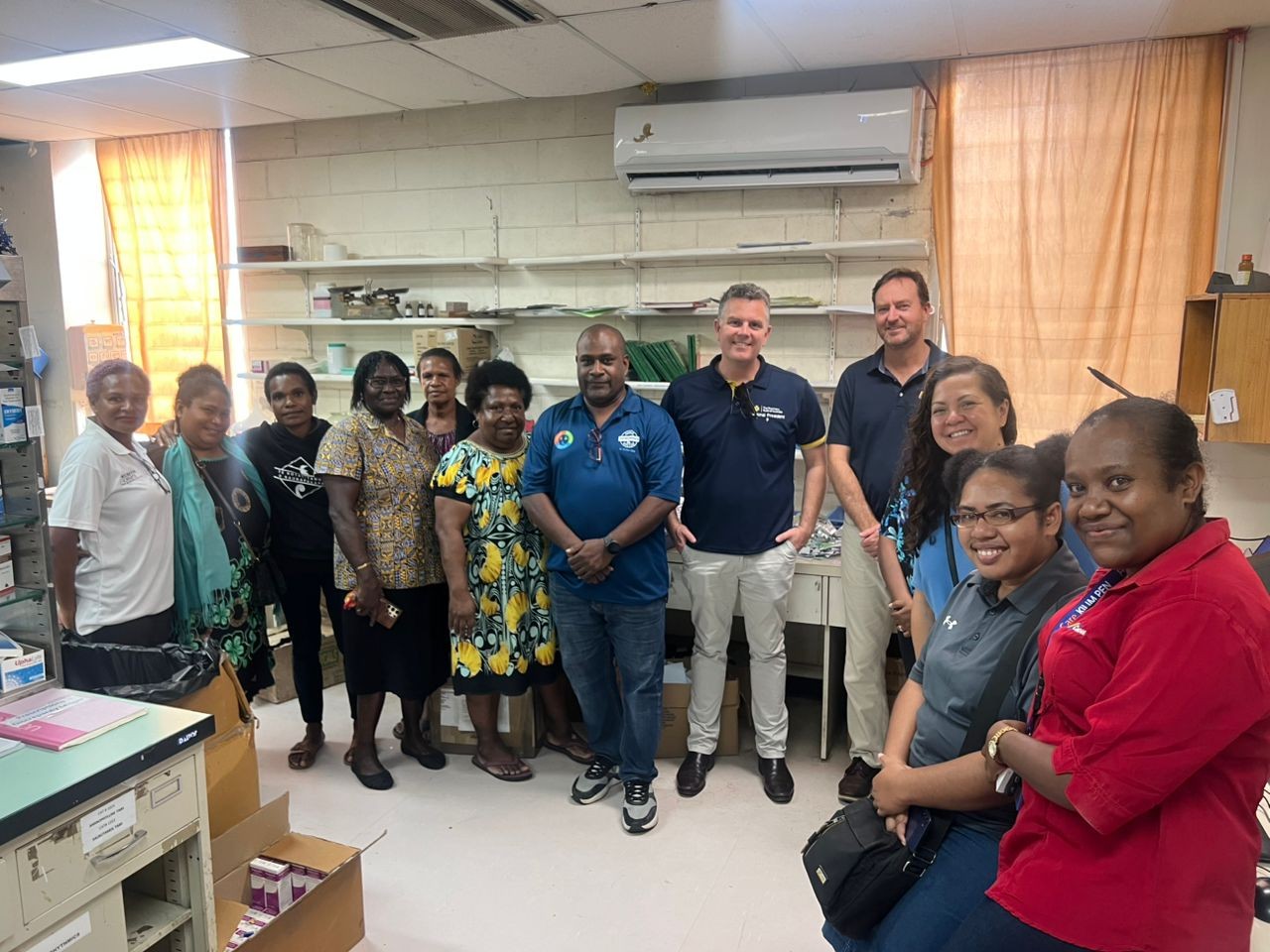
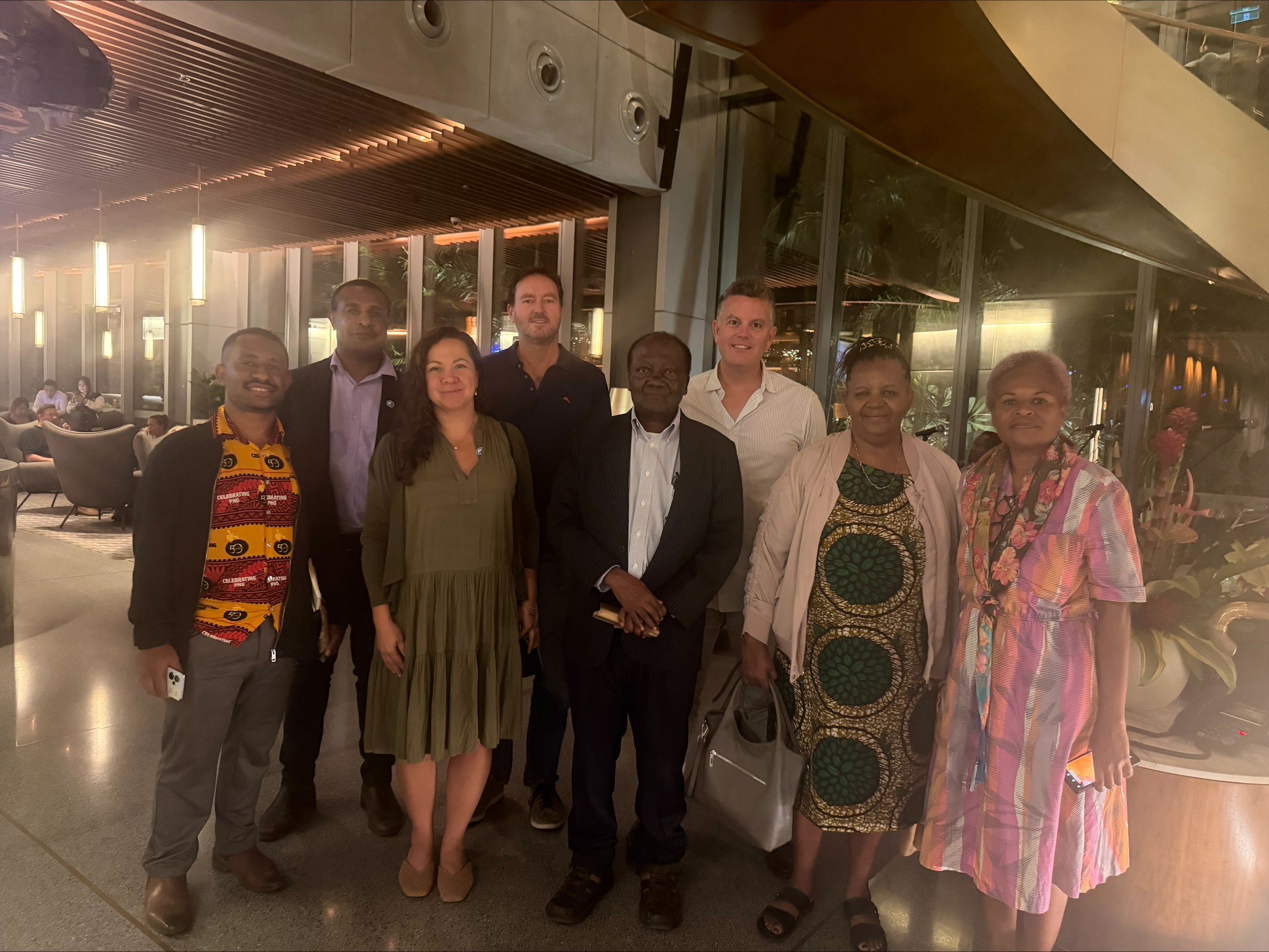
In May, I travelled to Papua New Guinea with Pharmacy Guild President Trent Twomey to better understand the realities of healthcare delivery, medicines access and pharmacy practice in our nearest neighbour.
What we found was a country with passionate healthcare professionals, innovative pharmacy operators and people genuinely committed to improving health outcomes for their communities.
Papua New Guinea is a country of more than 11 million people, served by only a few hundred pharmacists.
What we did
Over several days we visited Port Moresby, the capital on the southern coast, and Lae on the northern coast of the Huon Gulf. Lae is the country’s largest city in the north and a key industrial hub.
We meet with the Pharmacy Board, the Pharmaceutical Society, local pharmacists, pharmacy owners, universities, hospitals and healthcare clinics.
We also spent time with pharmacy wholesalers and distribution centres to better understand how medicines move throughout the country and the challenges involved in ensuring they reach the people who need them.
The environment
Papua New Guinea is a country of more than 11 million people, served by only a few hundred pharmacists.
PNG pharmacists are delivering innovative, community-focused healthcare despite significant system pressures.
It’s a very different environment to Australia, with challenges around geography, infrastructure and access to healthcare, particularly in rural and remote communities.
One of the things that stood out most was the commitment of the people working within the health system.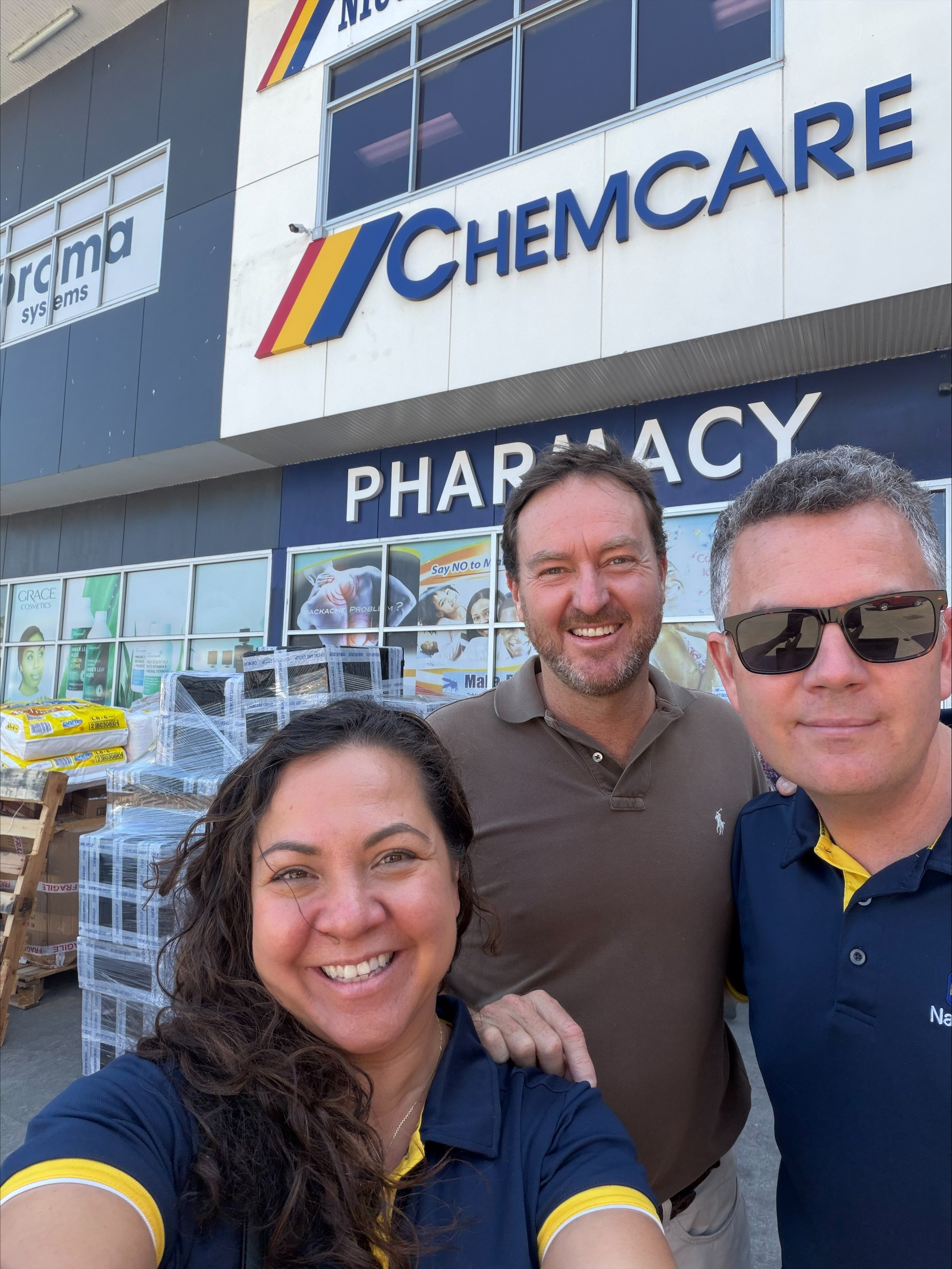
Whether it was pharmacists, doctors, nurses, academics or business owners, everyone we met was focused on finding practical ways to improve healthcare for their communities.
Medicines and workforces
We heard a lot about the difficulties in ensuring medicines consistently reach patients.
Workforce shortages, supply chain challenges and the realities of servicing remote regions all contribute to the pressures faced by healthcare providers every day.
We also gained a greater appreciation of the health challenges facing PNG.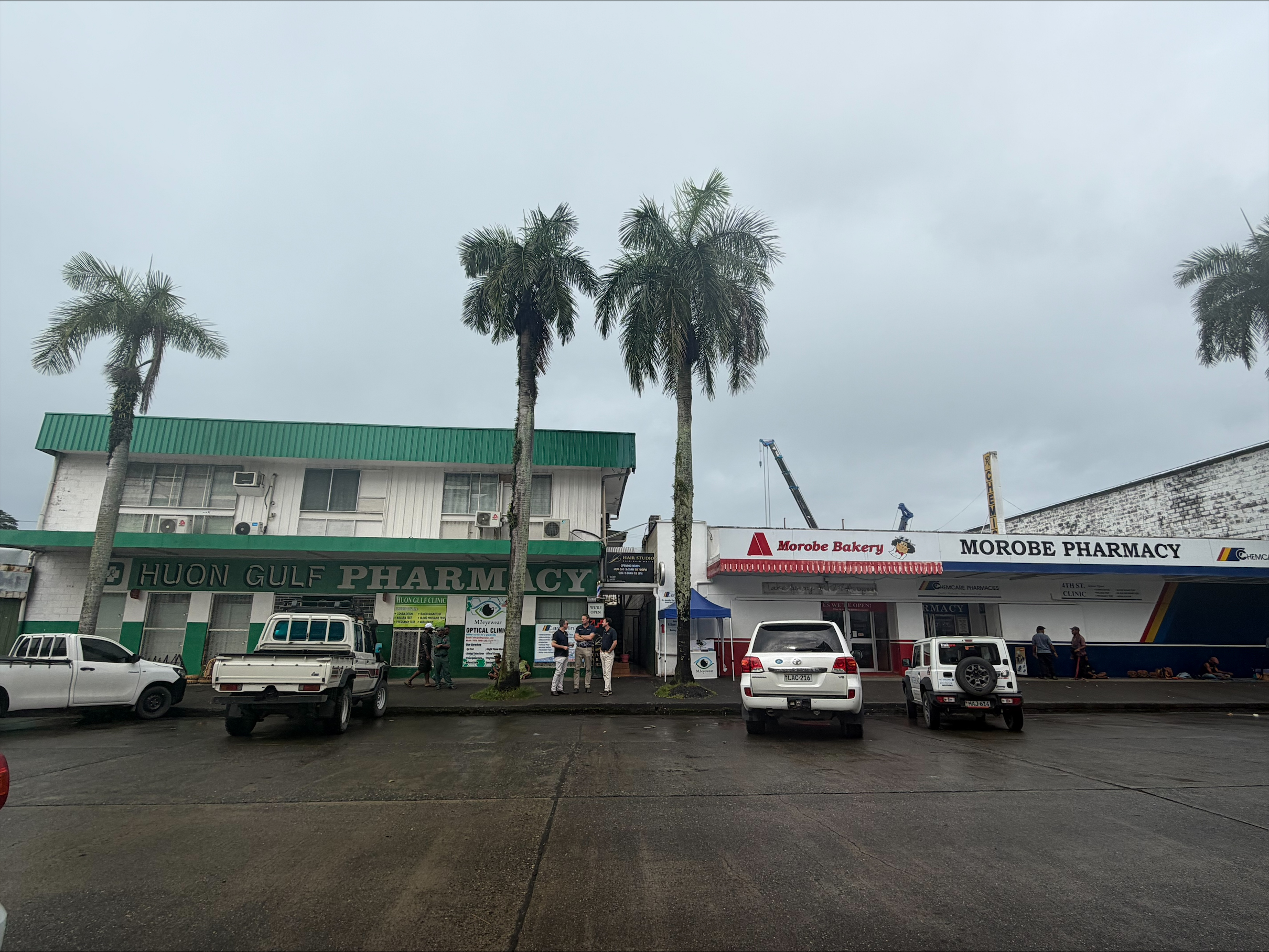
Many healthcare professionals spoke about the ongoing burden of infectious diseases such as malaria, tuberculosis, HIV and hepatitis — conditions which pharmacists in Australia encounter far less frequently today.
At the same time, rates of chronic conditions such as hypertension and diabetes are increasing, creating additional pressures on the healthcare system.
Innovation in practice
Yet despite these challenges, we saw some outstanding examples of innovation and leadership.
Many pharmacies are evolving beyond traditional dispensing roles and are becoming important primary healthcare hubs within their communities.
Listening and learning on the ground revealed opportunities for collaboration, not assumptions or ready-made solutions.
A particular highlight was our time with Chemcare Pharmacies.
Special thanks must go to Daniel and Angus King for their generosity in hosting us and sharing their insights into healthcare delivery in PNG.
Chemcare was established by their father, pharmacist Kerry King, whose vision continues to have a significant impact on pharmacy and healthcare services throughout the country.
PNG realities
We were also fortunate to spend time with Anita, a well-connected and highly respected PNG pharmacist, who generously shared her insights into healthcare delivery, the pharmacy profession and the realities of practising pharmacy in Papua New Guinea. 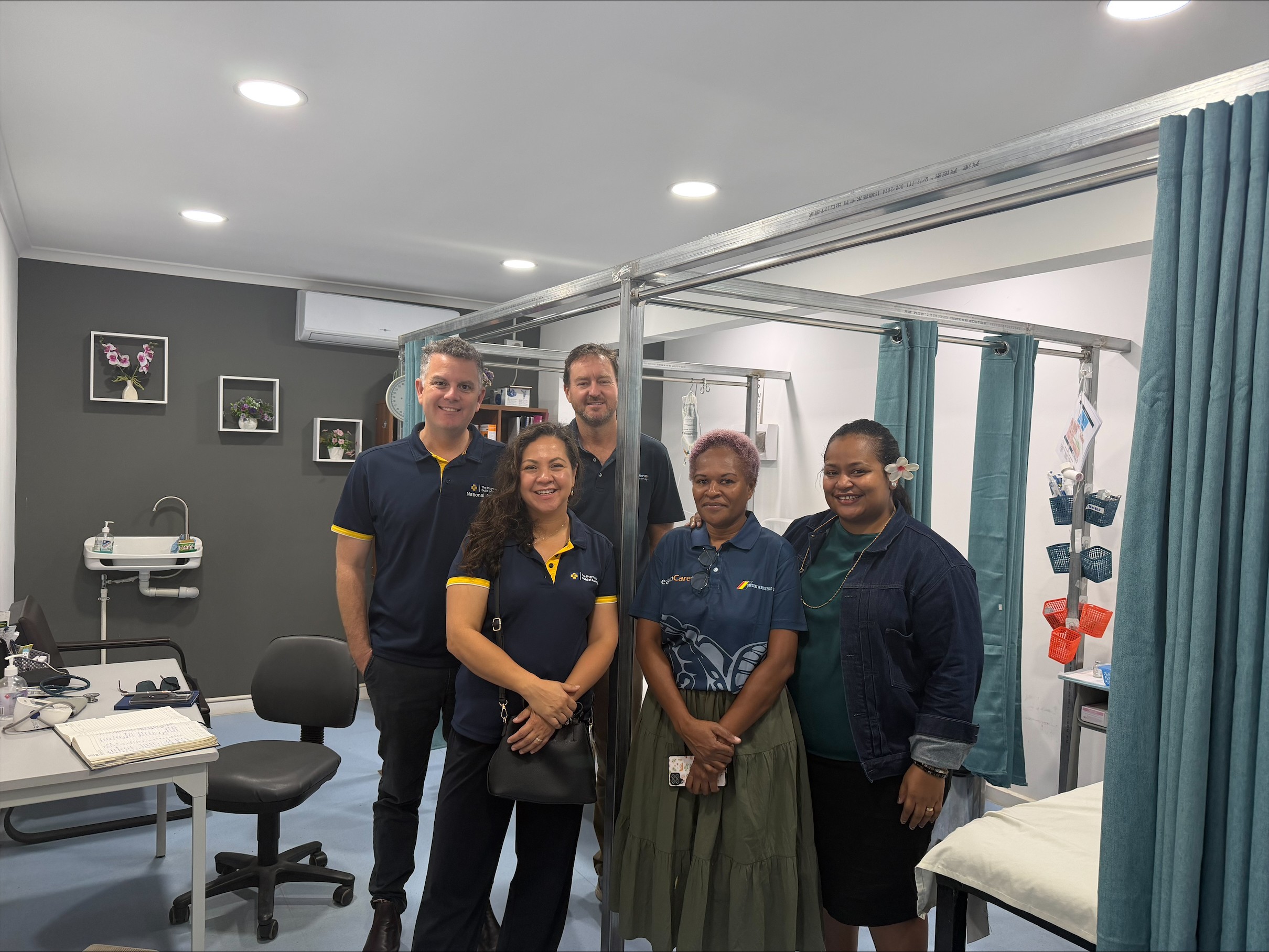
One example which particularly stood out was Tali’s Pharmacy, an independent pharmacy which has developed an integrated healthcare model incorporating nurse-led clinics, pathology services and referral pathways alongside pharmacy services.
The demand for these services was impressive and highlighted the important role pharmacies can play in improving access to healthcare, particularly where other healthcare services may be limited.
We also visited a number of private pharmacy businesses which have developed strong distribution networks and integrated healthcare models, helping improve access to medicines and healthcare services across the country.
Future workforce pathways
Another highlight was visiting the University of Papua New Guinea and meeting with pharmacy students and academic staff.
Their passion, commitment and determination to build the future pharmacy workforce was inspiring and left a lasting impression.
What also became clear was the scale of the workforce challenge.
Papua New Guinea currently has a single pharmacy school in Port Moresby producing only some 25 to 30 pharmacy graduates each year for a population of more than 11 million people.
The university is doing an outstanding job under challenging circumstances, but there is clearly an opportunity to further strengthen pharmacy education and workforce capacity through additional support and partnerships.
Building connections
It was encouraging to see students express an interest in joining NAPSA and to building stronger relationships with pharmacy students in Australia.
Stronger professional links can improve workforce development and healthcare outcomes across our region.
We also made connections with the Chair of the Council of Pharmacy Schools to begin conversations around education, accreditation and future opportunities to support workforce development.
Building these professional connections is important because strong relationships often create opportunities for collaboration, learning and ultimately better healthcare outcomes across our region.
One of the things that challenged my own assumptions was seeing just how much innovation already exists within the PNG pharmacy sector.
While the healthcare challenges are significant, there are also examples of pharmacy-led healthcare, medicines distribution and service delivery many Australian pharmacists would find impressive.
Working together
As pharmacists, there is an opportunity for us to learn from one another and share ideas that strengthen healthcare delivery across both countries.
For me, the most valuable part of the trip was listening and learning.
It wasn’t about arriving with solutions.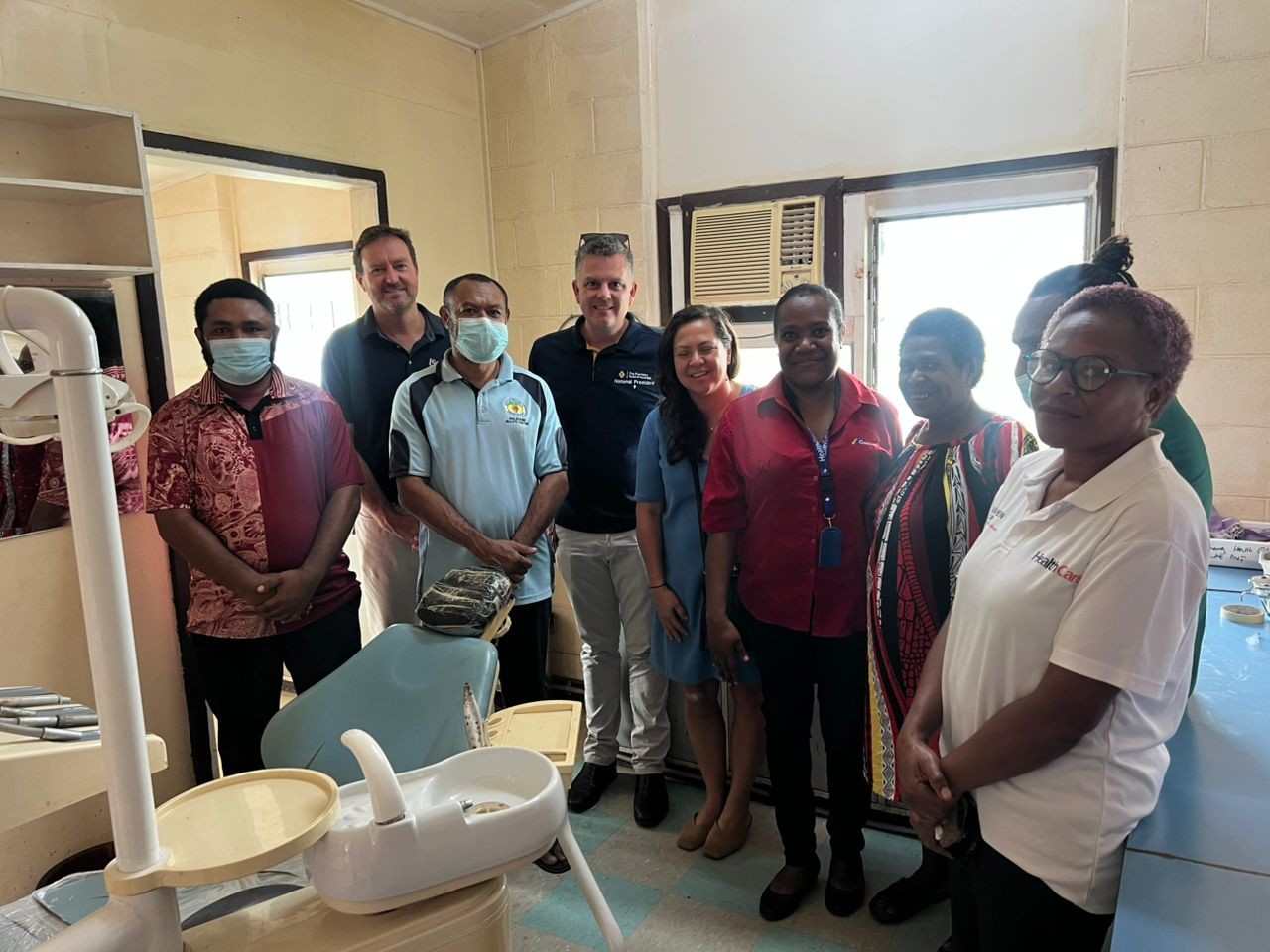
It was about understanding the challenges, hearing directly from the people working on the ground and identifying opportunities where we can learn from one another.
The opportunities
The visit also reinforced the value of stronger connections between our two countries.
Whether through professional organisations, universities, healthcare providers or emerging philanthropic initiatives such as the Pharmacy Guild Foundation, there are opportunities to support workforce development, education and healthcare delivery in ways that benefit both professions and the communities they serve.
Pharmacy is much more than medicines.
It is about people, communities and improving lives.
Australia and Papua New Guinea share a close relationship across many areas, from trade and education to sport.
PNG’s entry into the NRL is a reminder of what can be achieved when our countries invest in long-term partnerships.
Healthcare and pharmacy should be no different.
The conversations have only just begun, but I believe there is enormous potential to strengthen professional links, support future pharmacists and improve healthcare outcomes across our region.
If you are interested in supporting PGA's work in PNG please reach out to Catherine on Catherine.bronger@guild.org.au