Around 1000 delegates, including health professionals, researchers, policymakers and students, came together to explore ways to address healthcare barriers and workforce shortages in regional areas.
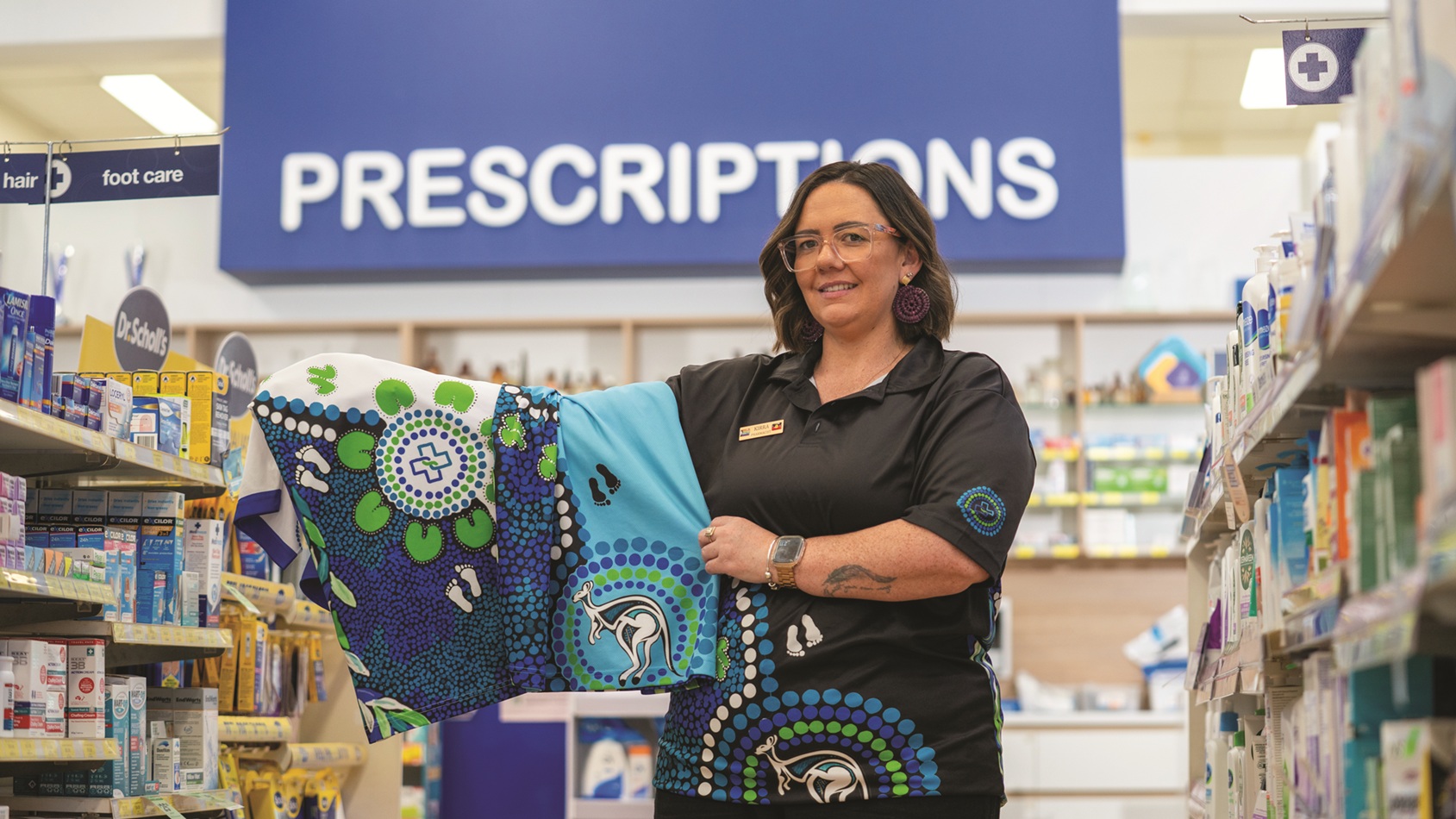
As a proud Gamilaraary woman, Kirra has provided invaluable guidance on culturally sensitive topics, since starting at Carter’s Pharmacy in rural New South Wales in 2023.
The pharmacy services a population of around 8,000 people – 15 per cent are Aboriginal or Torres Strait Islander.
Meet up with patients where they feel comfortable
Small, cost-effective measures go a long way in making a pharmacy feel safer for patients from culturally and linguistically diverse backgrounds, Kirra says.
Attending ‘Yarning with Elders’ morning teas and wearing customised uniforms with local artwork are just a few ways she builds relationships and createsbetter understanding of what pharmacists do.
Following the yarning sessions, several elders got their blood pressure checked at Kirra’s pharmacy and were later prescribed medication by their GP.
“I think for a lot of Aboriginal and Torres Strait Islander people clinical settings can be triggering for past trauma. “I like to spend time outside clinical spaces because it makes them feel safer.”
Encouraging staff not to use medical jargon with patients has helped improve medicines adherence and healthy literacy, she adds.
“It’s about building trust with the community that you’re in.
“Being mindful of the person who is walking through the door. You need to understand how their needs will be different to next person.”
Being mindful of the person who is walking through the door. You need to understand how their needs will be different to next person.
Kirra Natty of Carter’s Pharmacy in Gunnedah in north central New South Wales
Connecting regional communities to healthcare
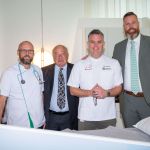
President of the Pharmacy Guild of Australia’s Northern Territory branch Peter Hatswell also presented at the conference, sharing his experience delivering health services to remote communities for many years.
Based in Adelaide now, Peter called Alice Springs home for 30 years. He still owns three pharmacies in the town, which is renowned for its vast landscapes and Indigenous cultural sites.
Much of his career has centred around supplying medicines to remote First Nations communities, not just in the Northern Territory but also in Western Australia and South Australia.
At the height of the program, he supplied medicines to around 30 communities.
Getting there, however, proved no easy feat.
“I would drive long distances in a four-wheel drive and would sometimes have to drive eight hours on dirt roads with bull dust and potholes.”
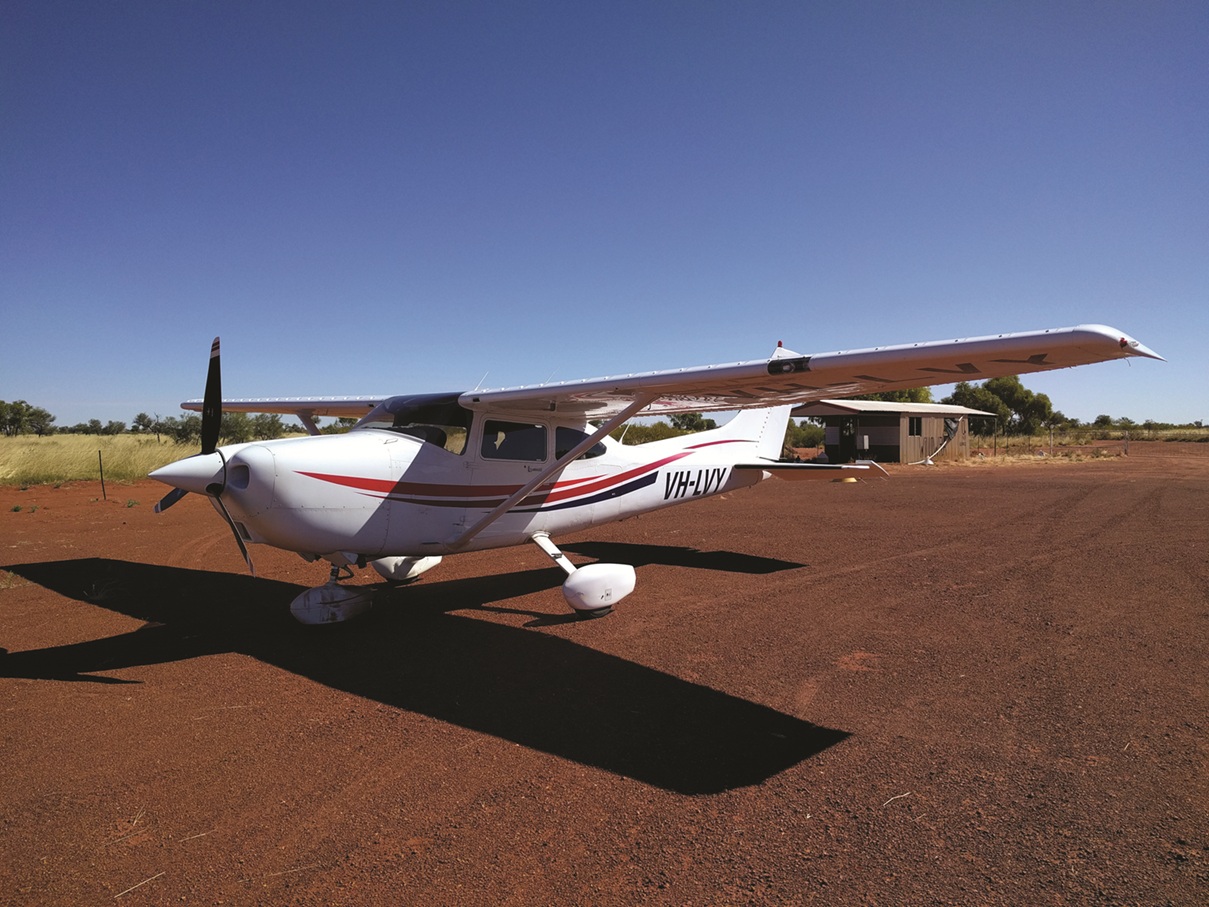
He eventually got his pilot licence and bought a small plane to fly direct to remote communities.
For Peter, the work is challenging but rewarding.
“It’s possible to make a difference to First Nations health outcomes, but you need to understand the patient’s needs and their personal circumstances.”
Health literacy remains one of the biggest barriers, and it can be a complex issue, he says.
“They’re at a distinct disadvantage for many reasons. It might be remoteness or lack of compliance or just difficultly accessing the right medication in the right way.
“It involves making sure First Nations patients understand their medical conditions, understand that compliance in taking medications is vitally important to the outcome of a healthy, long life.”
While progress might feel slow at times, Kirra and Peter are determined to make a difference.