
The 48th Federal Parliament’s only pharmacist
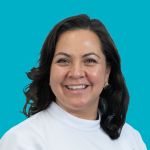
The Hon. Emma McBride MP is the only registered pharmacist in the parliament – bringing a wealth of knowledge and experience to important health debates. She started her career at Blooms pharmacy in Wyong. Aligning with her mental health portfolio, the Assistant Minister was a Specialist Mental Health Pharmacist and the Chief Pharmacist at Wyong Hospital for nearly 10 years. Prior to entering Parliament, she was the Deputy Director of Pharmacy for Central Coast Local Health District. The Assistant Minister’s experience as a front-line healthcare professional led her to parliament to contribute to better health services for everyone. She is a passionate advocate for quality health care close to home, including through community pharmacy.
Growing up on the NSW Central Coast — and later as a young pharmacist yourself — which community pharmacy do you remember relying on most, and what personal memories stand out about the role it played for you and your family?
Blooms Pharmacy in Wyong. I ended up working there as a pharmacist, which probably tells you how much it meant to me. It wasn’t just a place to pick up medicines. The team genuinely knew their patients and cared about them.
Your clinical background in Australia is in mental health pharmacy. With youth mental health needs rising sharply, where do you see the strongest opportunities for pharmacists to support early intervention, medication management and timely referrals?
One in five Australians experience mental ill-health each year and for young Australians that’s two in five. Having worked in acute mental health, I know those aren’t just numbers. They’re real people, families and communities.
Pharmacists are often the healthcare professional people see most regularly. You notice when someone isn’t quite themselves, sometimes before they recognise it themselves. That puts pharmacists in a unique position to identify concerns early, support the safe and effective use of medicines, and connect people with the right services before things reach crisis point.
We’re building a stronger mental health system across every stage of life, from Kids Hubs for children, to headspace for young people, through to Medicare Mental Health services for adults. Pharmacists are often the bridge into that support, helping people understand what’s available and where to turn when they need help.
You’ve spoken about removing cost barriers to care, including new free digital mental health services. How can pharmacists help patients navigate these options — particularly in regional and remote communities?
For too long, Australians, particularly those in regional and remote communities, have had to travel too far and pay too much to access mental health care. We’re changing that through Medicare Mental Health Check-In, but services only work if people know about them. Pharmacists play a huge role here because they often see patients more regularly than anyone else. You notice when someone seems overwhelmed, withdrawn or not coping as well as they normally would. Sometimes all it takes is a simple conversation and pointing someone towards the right support. For many people, their pharmacist is the person who helps them take that first step.
Headspace outreach, Medicare Mental Health Centres and digital services are expanding nationally. Where do you see the most meaningful points of pharmacy integration within these models?
As a pharmacist, I’d like to see pharmacists more embedded in multidisciplinary mental health teams. Whether it’s a local clinic, headspace or a Medicare Mental Health Centre, pharmacists bring a unique understanding of medicines, side effects, adherence and patient education. The best outcomes happen when healthcare professionals work together, and pharmacists have an important role to play in those teams.
How do you view the contribution of community pharmacists in strengthening continuity of care in regional Australia – and when you look to the future, what are you most worried about?
Having worked in regional community pharmacy, I know the word “community” isn’t just part of the title. It’s at the heart of what pharmacists do. For many people, their pharmacist is the most accessible healthcare professional in town and often the one constant throughout their healthcare journey. Looking ahead, my biggest concern is making sure in the age of information overload pharmacists have access to the information they need to provide safe, informed care. When a patient is standing in front of you, you need the right information at your fingertips.
Workforce pressures continue to affect rural and regional communities in Australia. What changes would you like to see to support pharmacy students — particularly those from regional and First Nations backgrounds — to train, stay and thrive in these communities?
Building a strong rural pharmacy workforce starts with making it easier for people to train and build a career in the communities they love. That’s why we’ve expanded Commonwealth Prac Payments to pharmacy students, because nobody should be under financial pressure while completing mandatory placements. We also need more placements in regional areas, because people who train in the bush are more likely to stay in the bush. And if we want them to remain there, we need practical supports like housing, relocation assistance and strong career opportunities, working alongside GPs, nurses, Aboriginal health workers and other allied health professionals.
You’ve worked across hospital pharmacy, mental health pharmacy and regional health leadership. Looking back on your career to-date, what are you most proud of?
There have been many moments throughout my career that I look back on with pride, from working in hospital and mental health pharmacy to serving regional communities. But what I’m most proud of is helping drive the push to bring mental health care under Medicare. That goal was shaped by every patient I met, every family I supported and every gap in the system I saw firsthand. Because mental health care is health care, and every Australian deserves access to it.
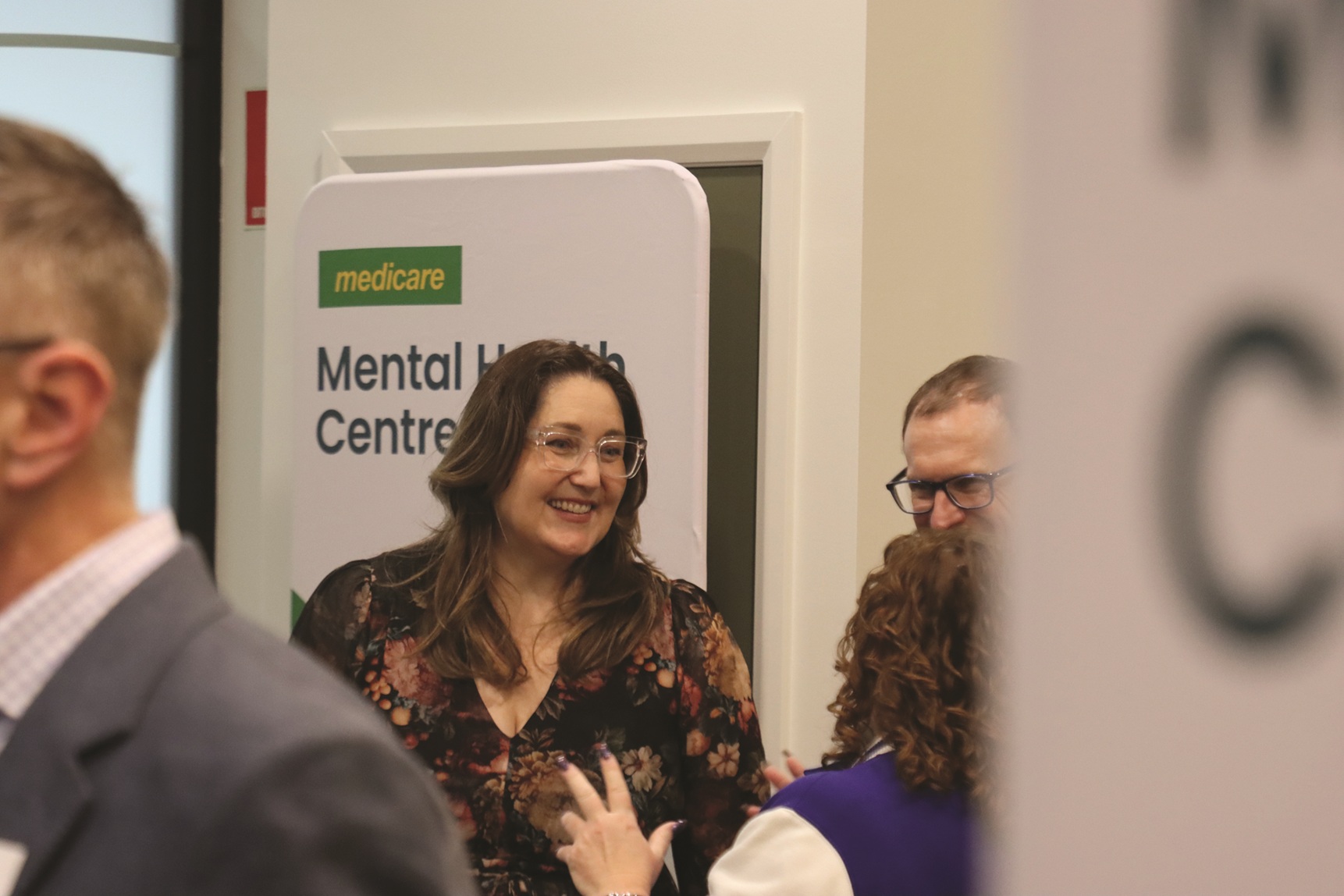
Visiting the Tuggerah Medicare Mental Health Centre
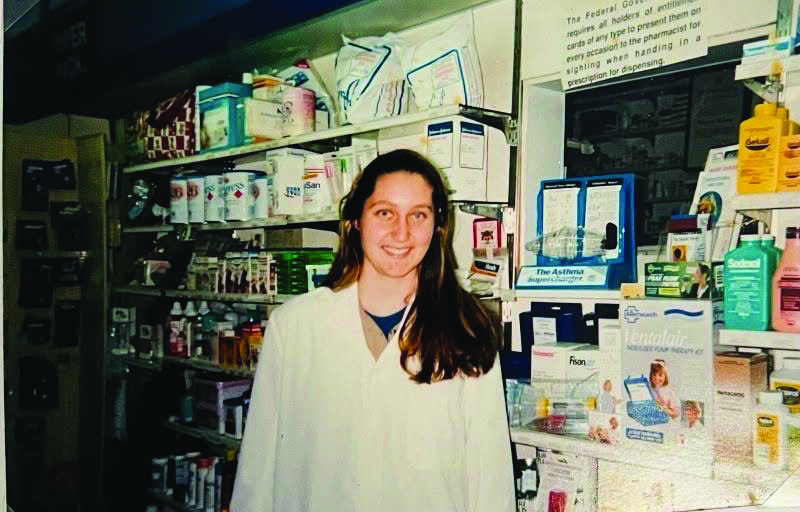
As a young pharmacist in the pharmacy unit at Wyong Hospital