
Our position is clear: Pharmacist ownership and effective control means that patient focused care, not profit, is the focus of pharmacy practice.
We continue to meet with politicians to help them understand that changing pharmacy ownership rules won’t deliver the benefits they think it will for our patients and our communities.
Our goal is to have pharmacy ownership changes removed from the upcoming Medical Products Bill (MPB) legislation.
PGNZ advocacy
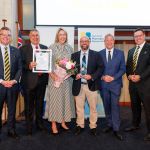
To ensure our concerns are heard and understood, we have had several meetings with the Health Minister and have also met with MPs from coalition and opposition parties.
We’ve highlighted the negative impacts of open ownership for patients and the healthcare sector, with international evidence reinforcing this, including:
- corporate and foreign ownership
- less service/patient focus, more focus on profit
- reduced service access
- impacts on medicine supply and patient safety
- complex accountability, at more cost.
Our message has been heard loud and clear, with the Minister requesting more info on how the government can instead better achieve their desired outcomes, including driving efficiency and innovation.
We have also encouraged members to speak with their local MP about pharmacy ownership to help us keep this issue on the agenda in the lead up to the general election in November, developing talking points and resources to support members with this.
This remains a key priority for us. We continue to work with our government relations advisors to ensure we are doing everything we possibly can to maintain pharmacist ownership of pharmacies and protect pharmacy access.
Our position
Current pharmacy ownership regulations serve patients well – there are no patient safety or service quality issues. We are not sure what problem the government thinks they will solve by changing ownership rules, and we’re not convinced they know either.
The “free market” approach doesn’t work for healthcare.
We don’t have an issue with competition, pharmacies are already operating in a competitive environment.
Patients have choice now – this could be taken away. We could end up with only a few big retail-focused pharmacy chains (like the supermarket duopoly in New Zealand), with service-focused, local independent pharmacies gone.
Changing pharmacy ownership rules overseas has led to pharmacies closing in rural and deprived areas, limiting healthcare access for these communities. This is because pharmacies not owned by pharmacists’ cluster in the most profitable urban areas – those with large populations.
We know these problems are likely, as this has been the experience overseas. Several European countries have had to re-introduce pharmacy ownership restrictions following deregulation to address issues including market domination, reduced service access and pharmacy closures.
We don’t have an issue with competition, pharmacies are already operating in a competitive environment.
An undermined role
Local community pharmacists consistently provide additional healthcare services, this takes pressure off the wider health system, particularly general practice. These services will be at risk if the big-box pharmacy retailers dominate the sector, which will be likely under the proposed changes.
Non-pharmacist owners are focused on profits and retail sales over patients – this means more products and less services.
Non-pharmacist owners also don’t have the professional or ethical obligations pharmacists have and won’t be willing to go the extra mile (often for little or no funding) to support patients.
This may impact the level and quality of service provided – this is something no one wants to see.
Pharmacist ownership and effective control means that patient focused care, not profit, is the focus of pharmacy practice.
Workforce impacts
Open pharmacy ownership is associated with higher pharmacist workloads internationally. Pharmacists overseas have reported conflicts between their obligations as health professionals and the pharmacy owner’s focus on making money.
Anything that affects pharmacists working conditions will impact already tight workforce numbers. New Zealand, like many countries, is facing a chronic pharmacy workforce shortage.
A reduction in pharmacist numbers risks community pharmacy’s ability to continue expanding our preventative healthcare role and providing more services that take pressure off general practices and hospitals.
Next steps
We continue to meet with MPs from all parties to raise our ownership concerns and encouraging our members to do the same.
Our goal remains unchanged – to have pharmacy ownership changes removed from the MPB legislation – and we will continue to do everything we can to achieve this.