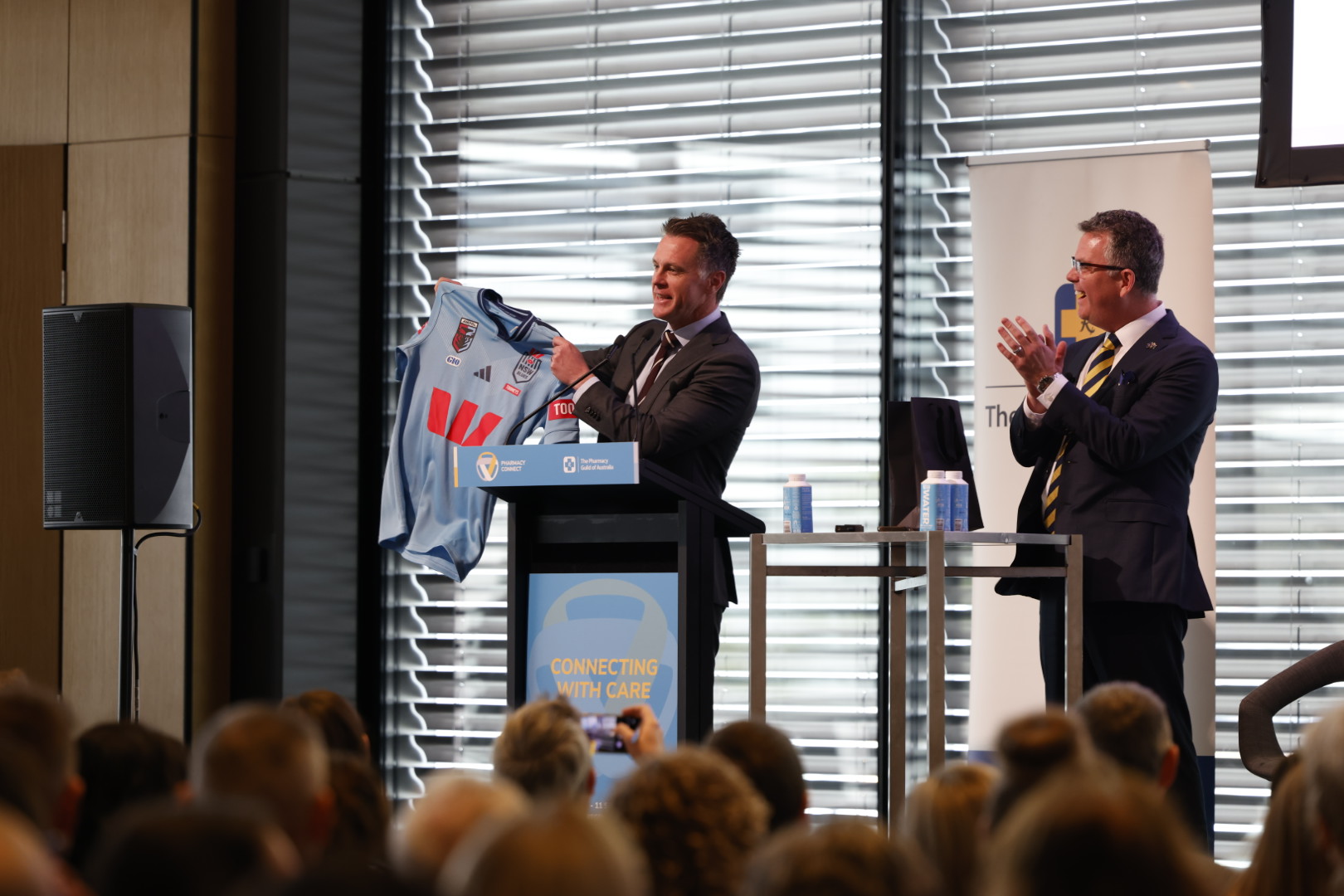

Speaking at Pharmacy Connect 2026, the Premier unveiled a package of reforms the PGA, NSW Branch describes as a major expansion of pharmacist-led care across the state.
The changes include expanded vaccination authority, immediate practice rights for pharmacists completing accredited prescribing programs, and a new pharmacy care trial covering ear infections, wound care, hypertension and chronic obstructive pulmonary disease (COPD).
From the start of 2027, NSW community pharmacists will be able to administer all vaccines listed under the National Immunisation Program.
The move is expected to make it easier for people to access vaccinations closer and could help lift vaccination rates across the state.
Accredited programs
The NSW Government also confirmed pharmacists completing accredited prescribing programs at the University of Technology Sydney and the University of Newcastle this year will be able to immediately practise their expanded scope.
More than 250 pharmacists are expected to graduate in 2026, with hundreds more expected over coming years.
The prescribing programs cover a range of common health conditions, including:
- Urinary tract infections
- Initiation and resupply of oral contraception
- Nausea and vomiting
- Hay fever and allergic rhinitis
- Reflux
- Acne
- Musculoskeletal pain
- Impetigo
- Shingles
- Dermatitis
- Psoriasis
New pharmacy care trial announced
A new trial will allow participating pharmacists to provide treatment for ear infections, wound management and selected chronic conditions.
The trial will include hypertension and COPD and is designed to improve access to care while reducing pressure on hospitals and other frontline health services.
Welcomed by Guild
NSW Guild President Mario Barone said the announcements represented another significant step in healthcare reform.
"These reforms are transformational for patients, pharmacists and the broader health system," he said.
Barone said allowing pharmacists to deliver all NIP vaccinations would improve convenience for patients while unlocking the skills of pharmacists who had completed advanced prescribing qualifications.
He also welcomed the new trial, saying it would enable patients to access treatment closer to home and help relieve pressure on hospitals and emergency departments.
"The Premier has recognised what patients already know. Community pharmacists are highly trained, trusted and accessible healthcare professionals who can do even more to support their communities," he said.
Important reforms
The announcements mark one of the most significant expansions of community pharmacy practice in NSW since pharmacist prescribing trials began.
If fully implemented, the reforms will:
Expand access to National Immunisation Program vaccinations
Allow newly qualified pharmacist prescribers to immediately use their expanded qualifications
Trial pharmacist-led management of ear infections and wound care
Expand community pharmacy involvement in chronic disease management
Reduce pressure on general practice, emergency departments and hospitals