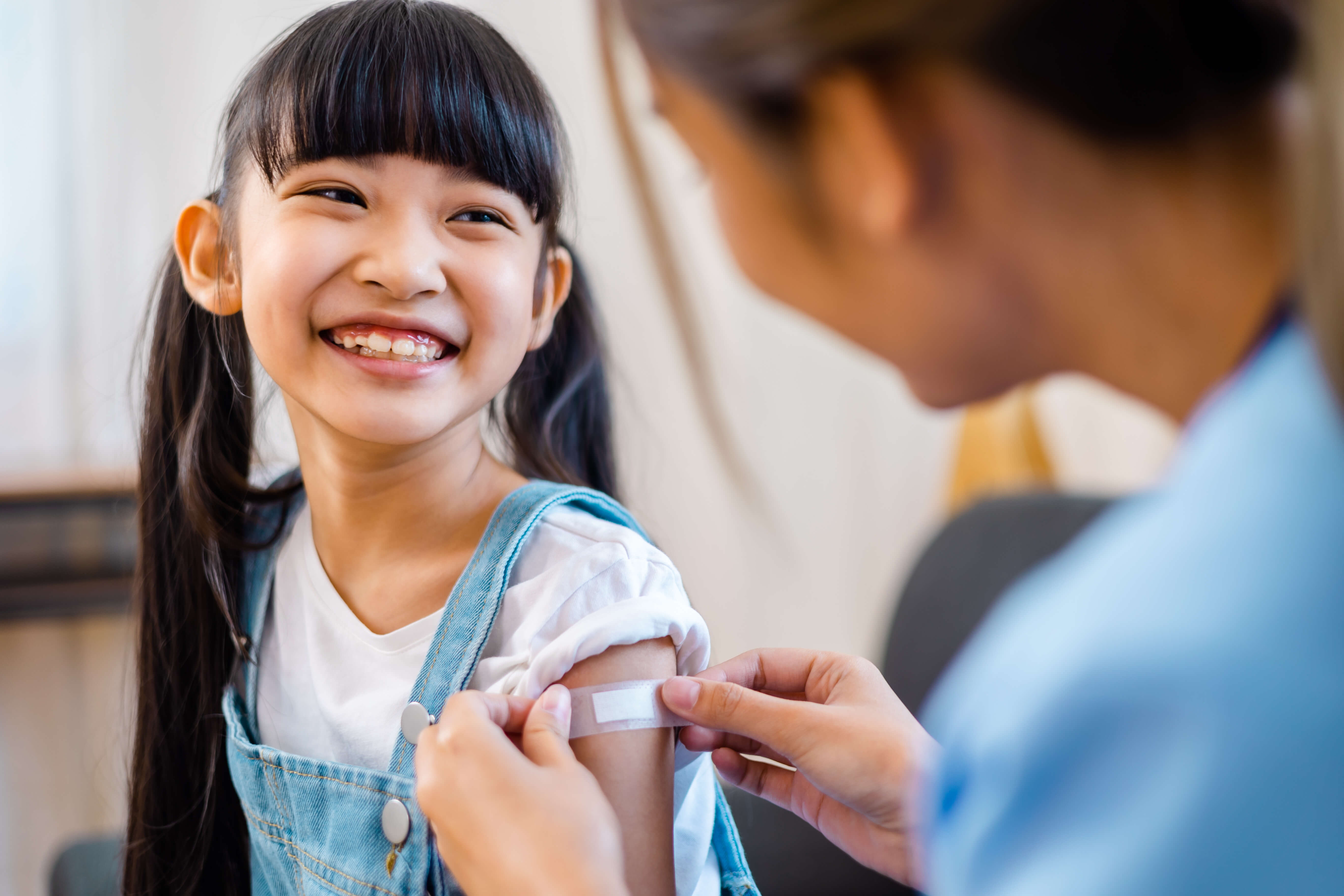
A centrepiece of Australia’s most recent Budget is the expansion of National Immunisation Program (NIP) vaccine access for children up to five years of age.
Backed by AUD 41.2 million over four years from 2026–27, the measure aims to lift childhood immunisation rates by reducing barriers such as long wait times, limited appointment availability and difficulty accessing care outside standard business hours.
The reform follows sustained advocacy from the PGA through its pre-Budget submission.
PGA’s National President Professor Trent Twomey said the decision recognises the essential role community pharmacies play in supporting families.
“This is a positive and practical reform that puts children and families first,” Trent said.
“By expanding access to NIP vaccines through community pharmacy, the government is making it easier for busy parents and carers to get their children vaccinated without long waits or unnecessary barriers.”
He said pharmacies are ideally placed to support increased uptake.
“Community pharmacists are highly trained and trusted health professionals, and pharmacies are already delivering vaccinations safely and effectively across Australia.”
Pharmacies boost access
Australia’s more than 6,000 community pharmacies — open earlier, later and longer, including weekends and public holidays — remain the country’s most accessible frontline healthcare network.
Many people visit a pharmacy on average every three weeks, creating a unique opportunity to deliver timely, trusted preventative care close to home.
Trent said expanding access through pharmacy will help ease pressure on general practice and hospitals.
“Expanding access to vaccinations through pharmacy helps take pressure off GPs and hospitals, while ensuring children get the protection they need at the right time.”
PBS funding rises
Beyond childhood vaccination, the Australian Government has committed AUD 5.9 billion over five years for new and amended PBS and Repatriation PBS listings, reflecting updated pricing assumptions and forecast prescription volumes.
A further AUD 449.3 million will fund the listing of the Respiratory syncytial virus (RSV) vaccine Arexvy on the NIP, making it available at no cost to eligible patients.
The Budget also includes AUD 2.0 million in 2026–27 to progress cost-recovery arrangements for Health Technology Assessment processes, supporting the long-term sustainability of the PBS, Medical Services Advisory Committee, and the NIP.
PBS payments are forecast to increase by AUD 123.5 million in 2026–27 and AUD 757.0 million over the forward estimates
System integrity strengthened
To bolster compliance and fraud‑prevention capabilities across Medicare and the PBS, the Government will invest AUD 146.8 million over four years, with AUD 17.6 million ongoing.
Several broader economic measures sit alongside the health announcements, including a 2.9 percent increase to low‑income Medicare levy thresholds from the 2025–26 income year and the permanent extension of the AUD 20,000 instant asset write‑off for small businesses from July 1 2026.
Digital health investment
Digital health receives a major uplift, with AUD 598.3 million over two years to support the continued operation and enhancement of My Health Record ahead of expanded “sharing by default” arrangements commencing July 1 2026.
Sector implications
Taken together, the Budget signals a strong commitment to medicine affordability, vaccination access and digital health reform.
For community pharmacy, the expansion of NIP vaccinations to children under five represents a significant policy shift — and a clear acknowledgement of the sector’s central role in improving national immunisation coverage.