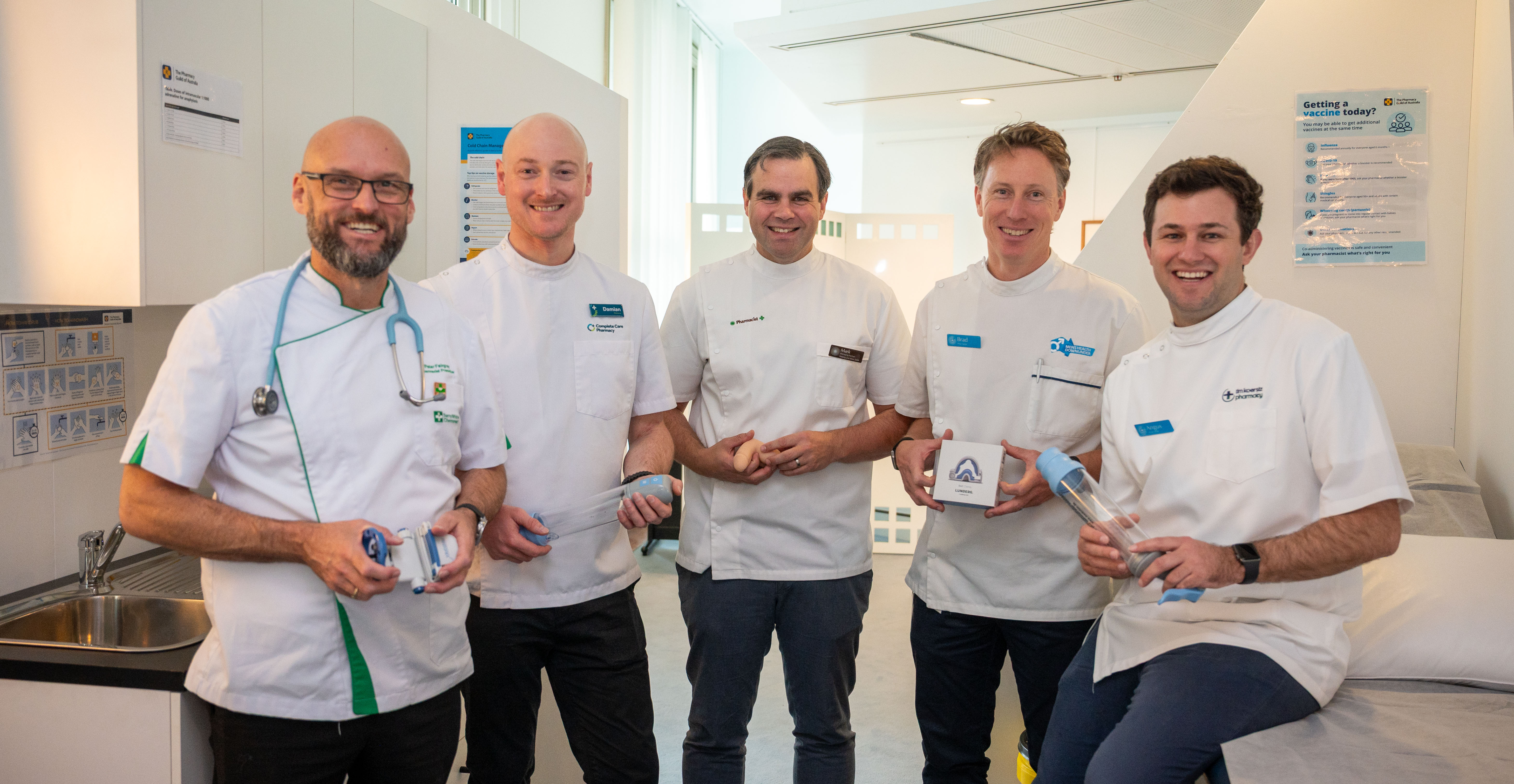
Health leaders including Special Envoy for Men’s Health Dan Repacholi MP warned everyday conversations with pharmacists may be the key to earlier intervention and better long‑term care.
Meeting men early
The packed Parliament House event, which included PGA’s life-sized consult room and signature Movember branding, put a national focus on how community pharmacies can help close the gap in men’s health.
Scores of politicians and other guests heard that regular, informal conversations between men and their local pharmacist could drive earlier intervention and better outcomes.
Health leaders told attendees too many men in Australia are missing out on early intervention and everyday care.
People in Australia visit a community pharmacy every three weeks on average.
For many men, it is the health service they use most often — without an appointment and outside standard business hours.
Frightening numbers
Half of deaths in men under 75 are considered potentially avoidable.
Around three in five men live with at least one chronic condition.
Too many blokes put off dealing with health issues because they're flat out, they reckon it'll sort itself out, or they don't want to make a fuss.
Australia's Special Envoy for Men’s Health Dan Repacholi MP
More than half of men who have a poor healthcare experience do not return, underscoring the importance of accessible, trusted care close to home.
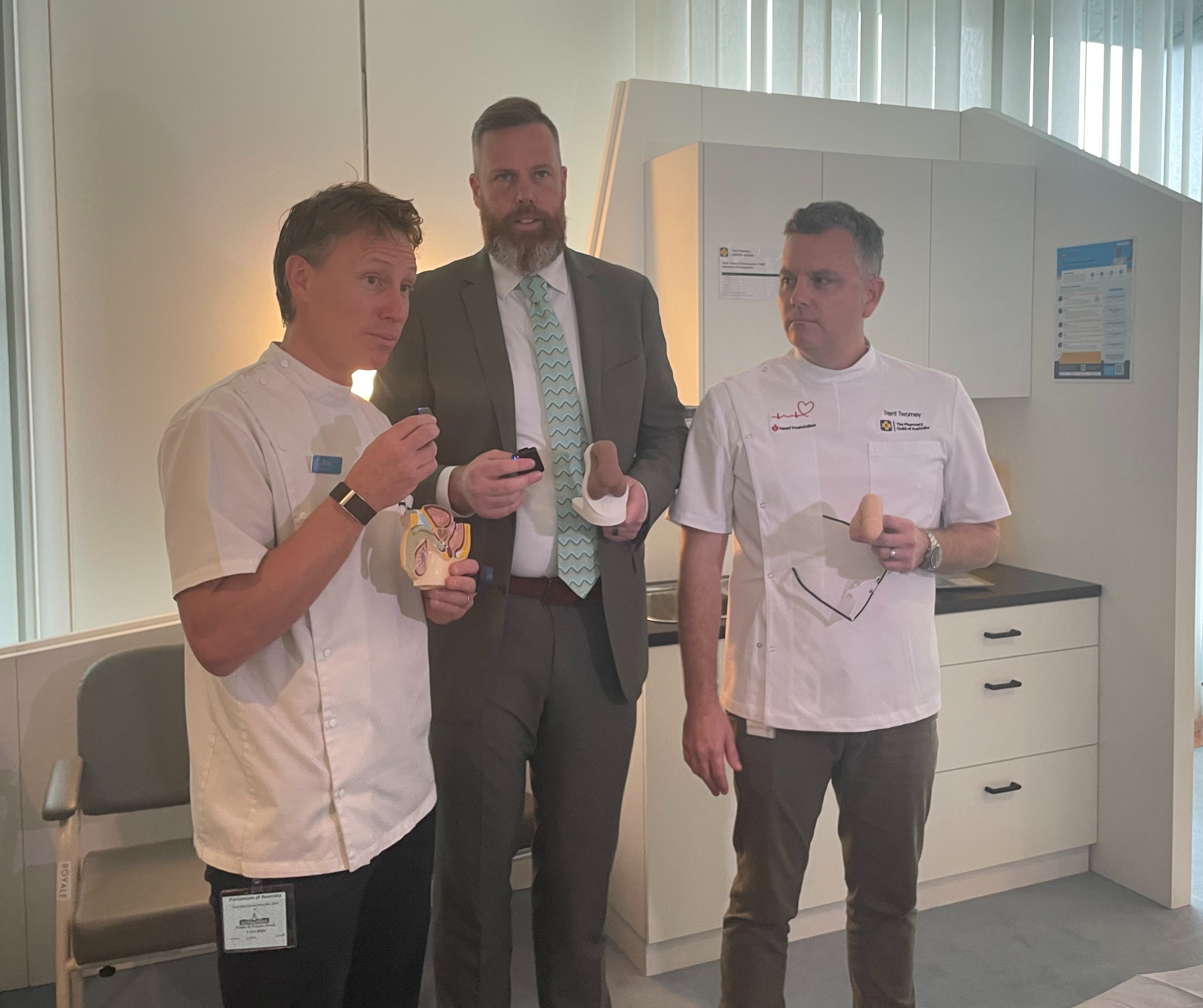
At the Canberra event, pharmacists demonstrated how private consultation spaces can support men with a wide range of concerns, from urological health to chronic disease management.
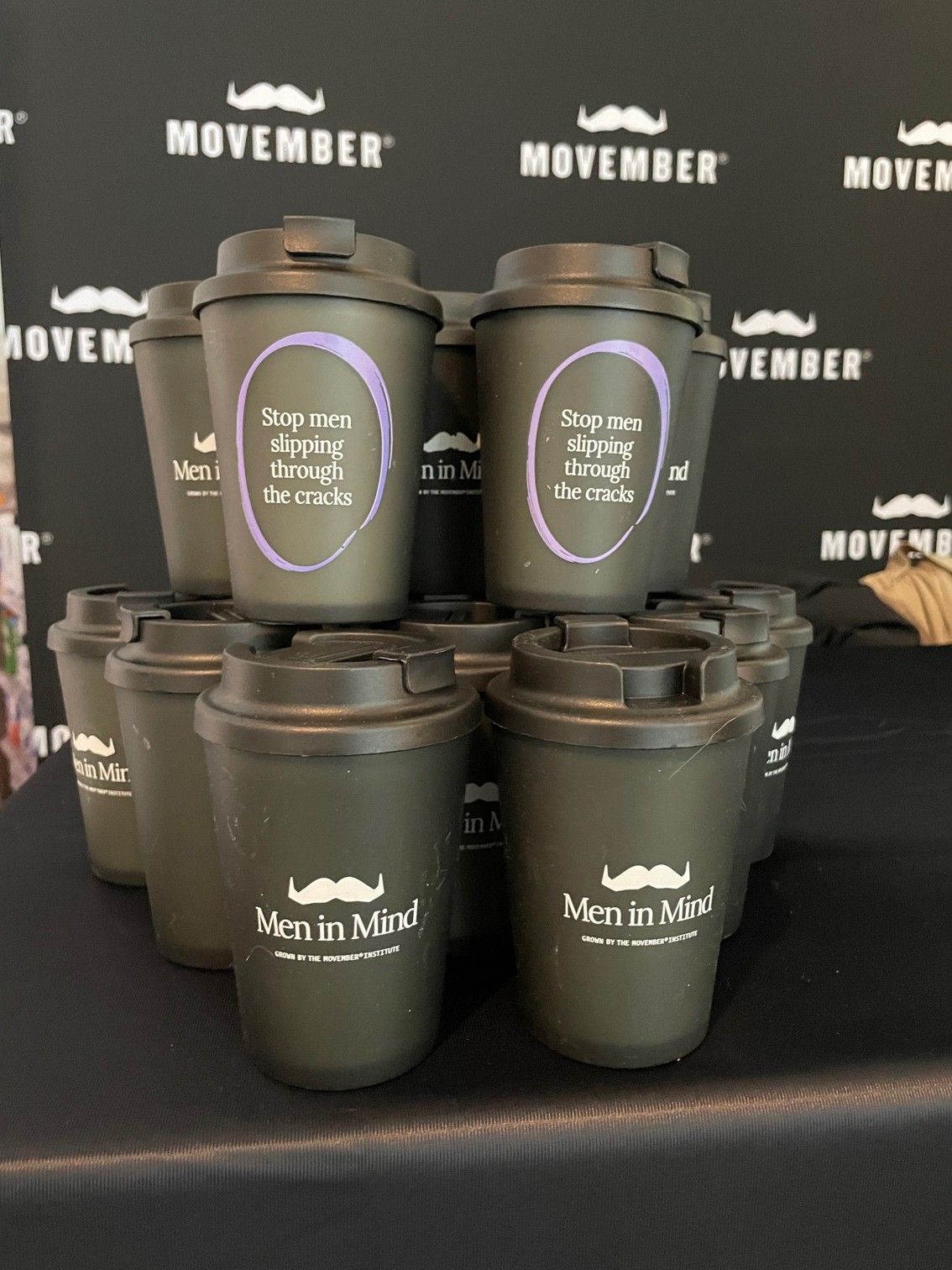
The discussion also highlighted the upcoming rollout of Movember’s Men in Mind training for pharmacists, designed to build confidence in having early, meaningful conversations with men about their health.
Movember is a global men’s health charity best known for its annual moustache‑growing campaign.
It funds programs and research focused on mental health, suicide prevention, prostate cancer and testicular cancer.
PGA National President Professor Trent Twomey told the room pharmacies are often the most accessible point of care for men who may not otherwise engage with the health system.
“Making it easier for men to access care will mean they get the treatment and interventions they need, earlier,” he said.
“Five minutes in a pharmacy beats five hours in emergency.”
Trent said the evidence is clear that access saves lives.
“Community pharmacists are stepping up, and we now need the rules and regulations to follow suit so that all patients can benefit from seeing a specially trained pharmacist no matter where they live.
“There should be no wrong door for primary, everyday health care.”
Trusted local access
Dan Repacholi said many men delay seeking help until problems escalate.
“Too many blokes put off dealing with health issues because they're flat out, they reckon it'll sort itself out, or they don't want to make a fuss,” he said.
“A quick chat with a trusted local pharmacist can be the difference between getting on top of a problem early and ending up much sicker down the track.”
Dan said pharmacies are one of the few health settings men regularly walk into.
“If we're serious about improving men's health outcomes, we've got to meet blokes where they are,” he said.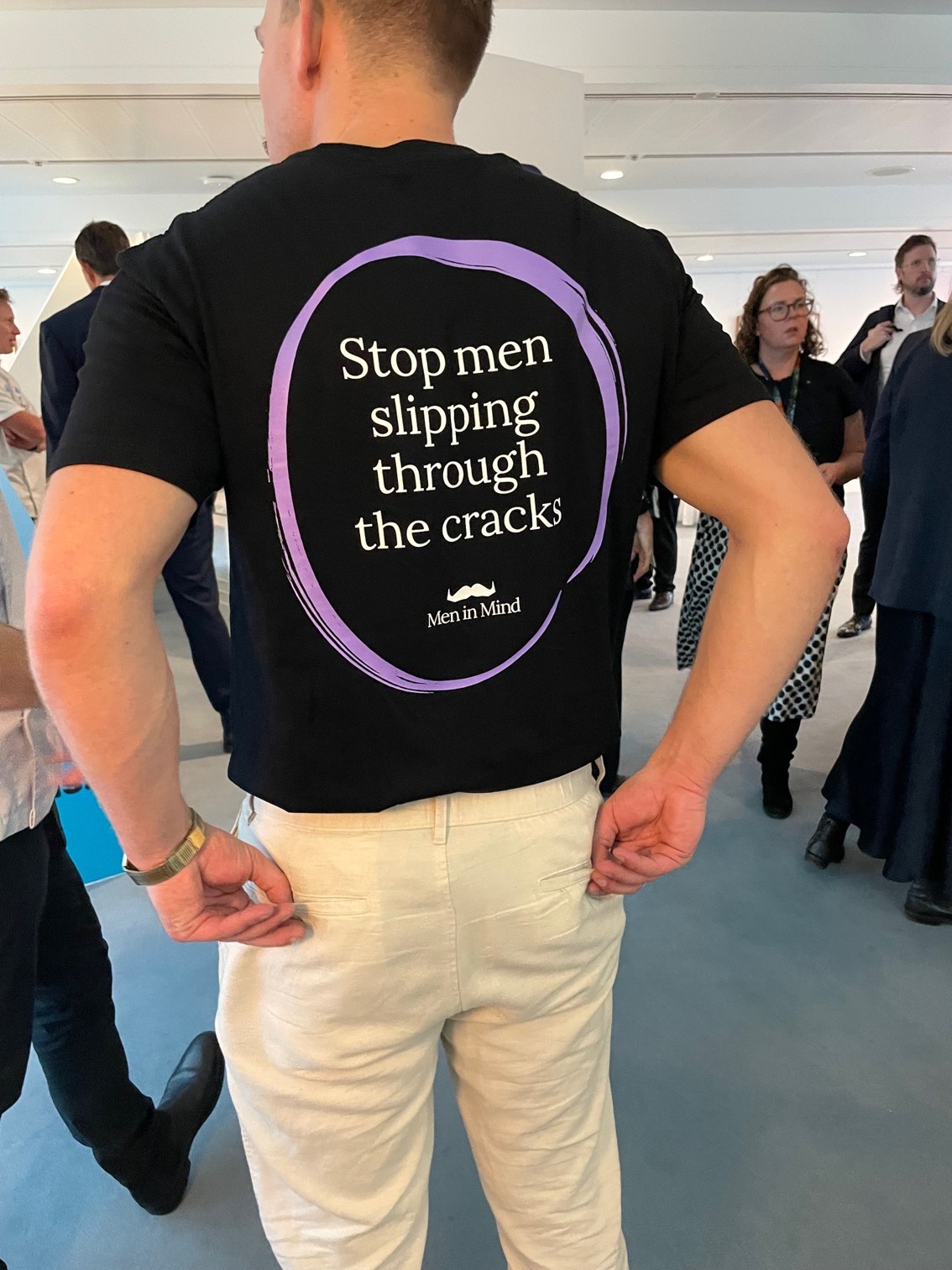
“Community pharmacists are already doing that every day, helping men take that first step towards looking after their health.”
Pharmacists are increasingly supporting men with urological concerns.
They are also supporting men with mental health and wellbeing needs.
They are providing chronic disease management, preventative health advice and treatment for long-term conditions including cardiovascular disease, high blood pressure, high cholesterol and chronic obstructive pulmonary disease.
Skills that matter
Movember spokesperson Ben Rogers, Global Director of Health Systems, said the Men in Mind program would support pharmacists to initiate conversations that matter.
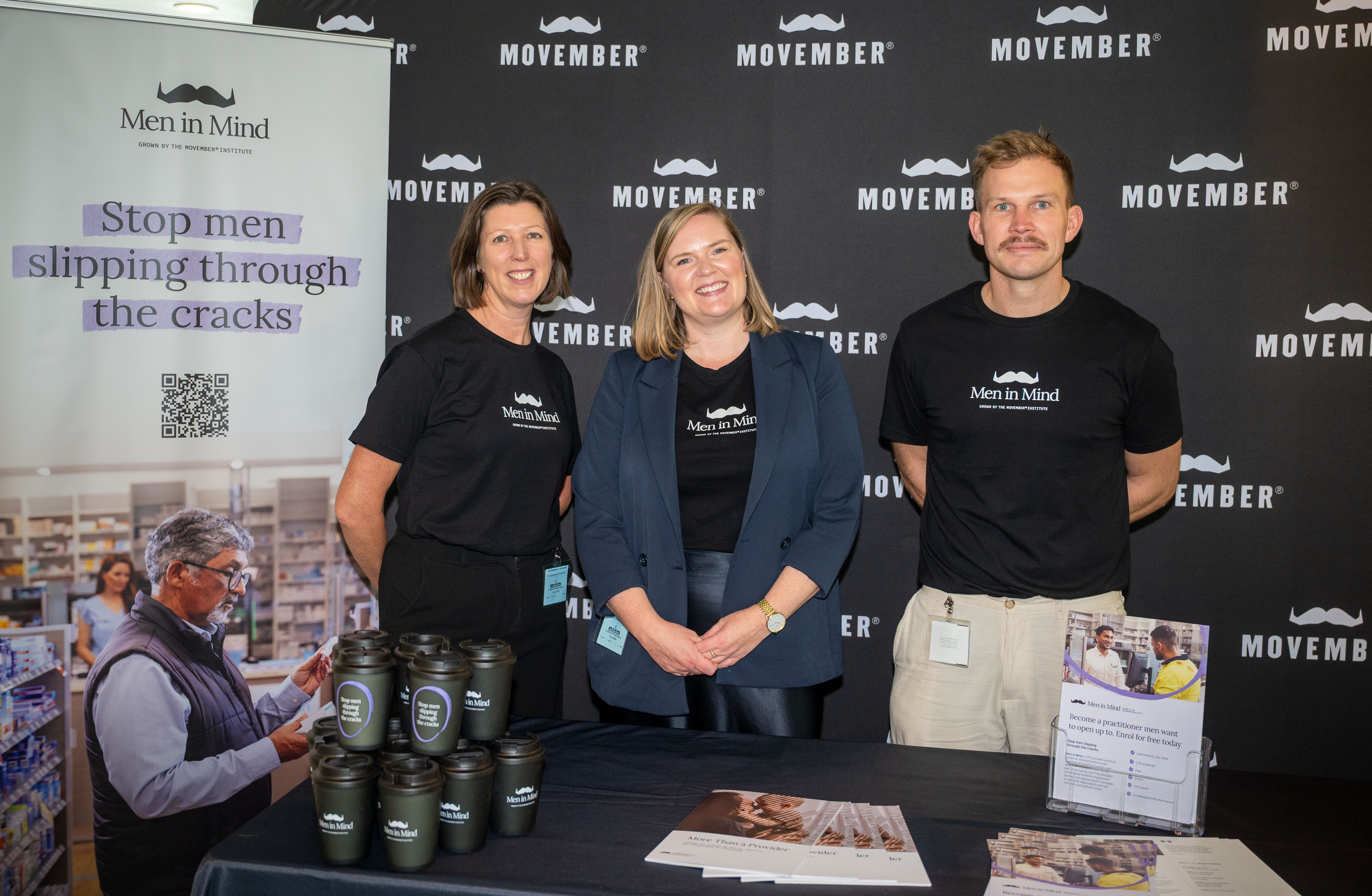
“The Men in Mind program is about giving pharmacists the skills and confidence to have those crucial early conversations that can change, and even save, lives,” he said.
“Pharmacists are uniquely placed in the community, and this initiative ensures they are supported to meet men where they are, in an approachable and trusted environment.”