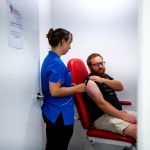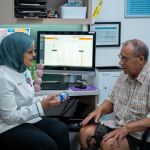

So, the PGA is reminding pharmacists to proactively discuss pre-travel health needs with people, as pharmacist prescribers continue to become a convenient first stop before anyone leaving for an overseas trip.
Training expands reach
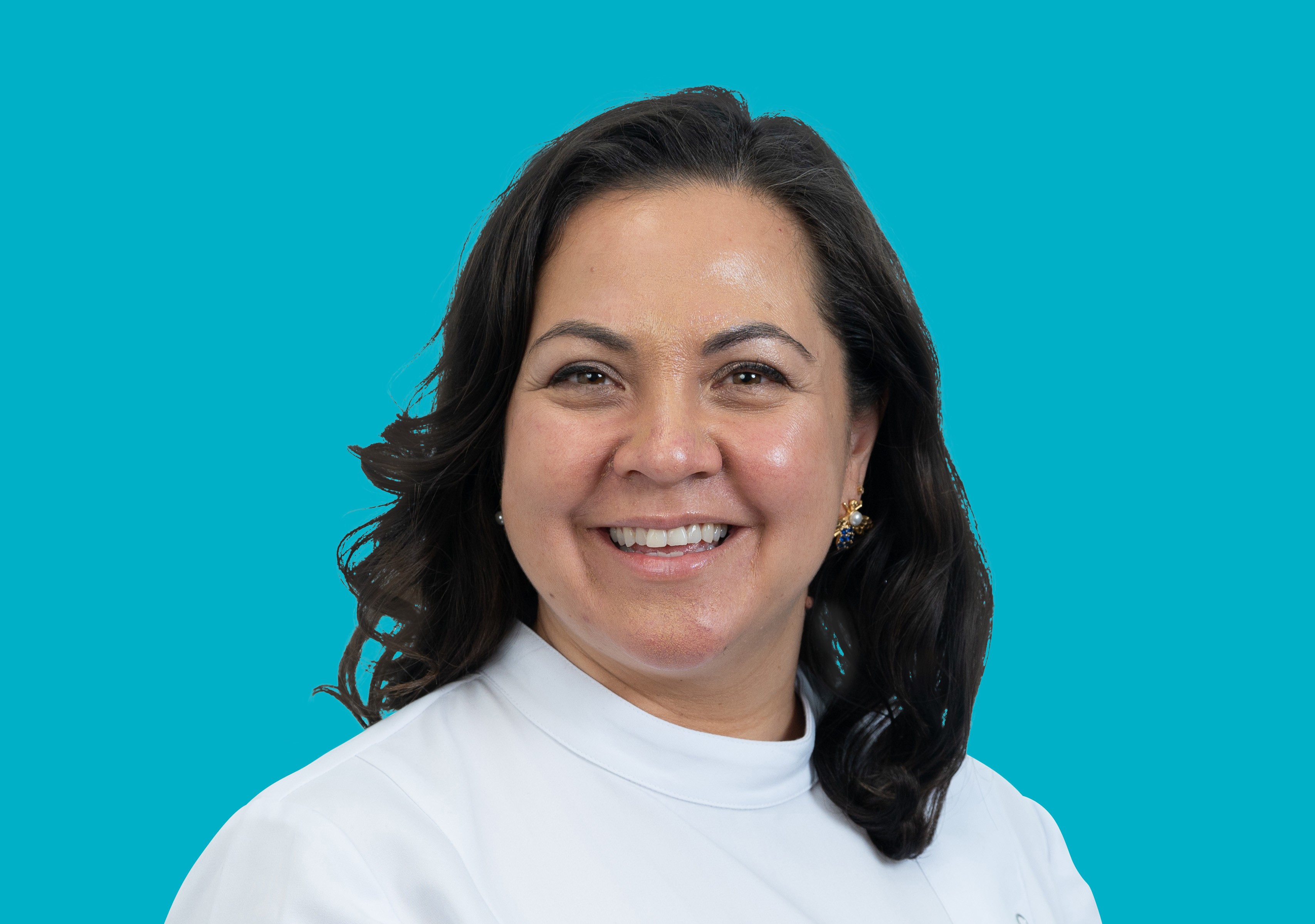
Pharmacists like Catherine Bronger, who is a PGA National Councillor, are returning to university for additional training so they can assess, treat and prescribe for eligible patients within their authorised scope.
Catherine is among hundreds of pharmacists in Australia who have completed or are undertaking additional prescribing and scope-of-practice training.
With more pharmacists undertaking advanced training and more services becoming available, patients have another safe and accessible door into the healthcare system.
Prof Trent Twomey
She said many people preparing to travel, study or move overseas may not have a regular GP, may have forgotten medication, need contraception or are worried they may be flying with a UTI or another untreated condition.
Depending on the patient and the service available in their state, a trained pharmacist may be able to assess and treat them immediately — or identify when they need to see a GP.
Services expanding nationally
Pharmacists’ prescribing authority varies across Australia, but services are rapidly expanding.
Depending on the state or territory, trained pharmacists can assess and manage conditions including:
- Uncomplicated UTIs
- Hormonal contraception
- Mild acne
- Dermatitis and impetigo
- Asthma and hayfever
- Reflux, nausea and vomiting
- Mild joint pain
- Vaccinations and travel health needs
- Prescribe melatonin and anti‑malarials
- Provide travel health advice, including managing the risk of DVT.
A growing role
The growing role of pharmacists comes as people in Australia face rising healthcare costs and increasing difficulty accessing GPs.
In every state and territory, women can access treatment for uncomplicated UTIs at a pharmacy.
UTIs are the leading cause of potentially preventable acute hospital admissions, and the Australian Institute of Health and Welfare’s latest national data shows:
- 27 percent of people in Australia delayed or did not see a GP when needed in 2024 to 2025
- 7.7 percent delayed or skipped a GP visit because of cost
- Hospital care is Australia’s largest area of health spending, costing AUD 113.8 billion annually
- Three in five people in Australia live with at least one chronic condition
- Almost two in five live with two or more chronic conditions.
New national modelling by research firm HT Analysts also estimates wider pharmacist prescribing could free more than 10 million GP appointments, prevent 30,000 hospitalisations and deliver more than AUD 1-billion in annual health-system savings.
First point of care
PGA National President Professor Trent Twomey said community pharmacists could provide a convenient first point of care while ensuring patients were referred to a GP or hospital when necessary.
He said people in Australia can spend months planning their holiday flights, accommodation and itineraries, but that medication was often left until the final hours.
“With more pharmacists undertaking advanced training and more services becoming available, patients have another safe and accessible door into the healthcare system,” Prof Twomey said.
To ensure everyone in Australia can get the healthcare they need when and where they need it, “we need to make sure we are using every trained health professional effectively,” he said.
“This will free doctors to see more complex patients and prevent minor conditions from becoming hospital emergencies.”
Before travelling, pharmacists recommend people in Australia:
- Check they have enough prescription medication for the entire trip
- Organise prescriptions and repeats well before departure
- Check medicine expiry dates
- Keep medication in its original labelled packaging
- Ask whether documentation is required for controlled medicines
- Check the medication rules of destination and transit countries
- Pack a basic travel health kit
- Seek vaccination and travel health advice early.
“Nobody wants to lose precious holiday time trying to find a doctor overseas for something that could have been managed before departure,” Prof Twomey said.
“A pre-travel visit to your community pharmacy could save time, money and considerable stress.”