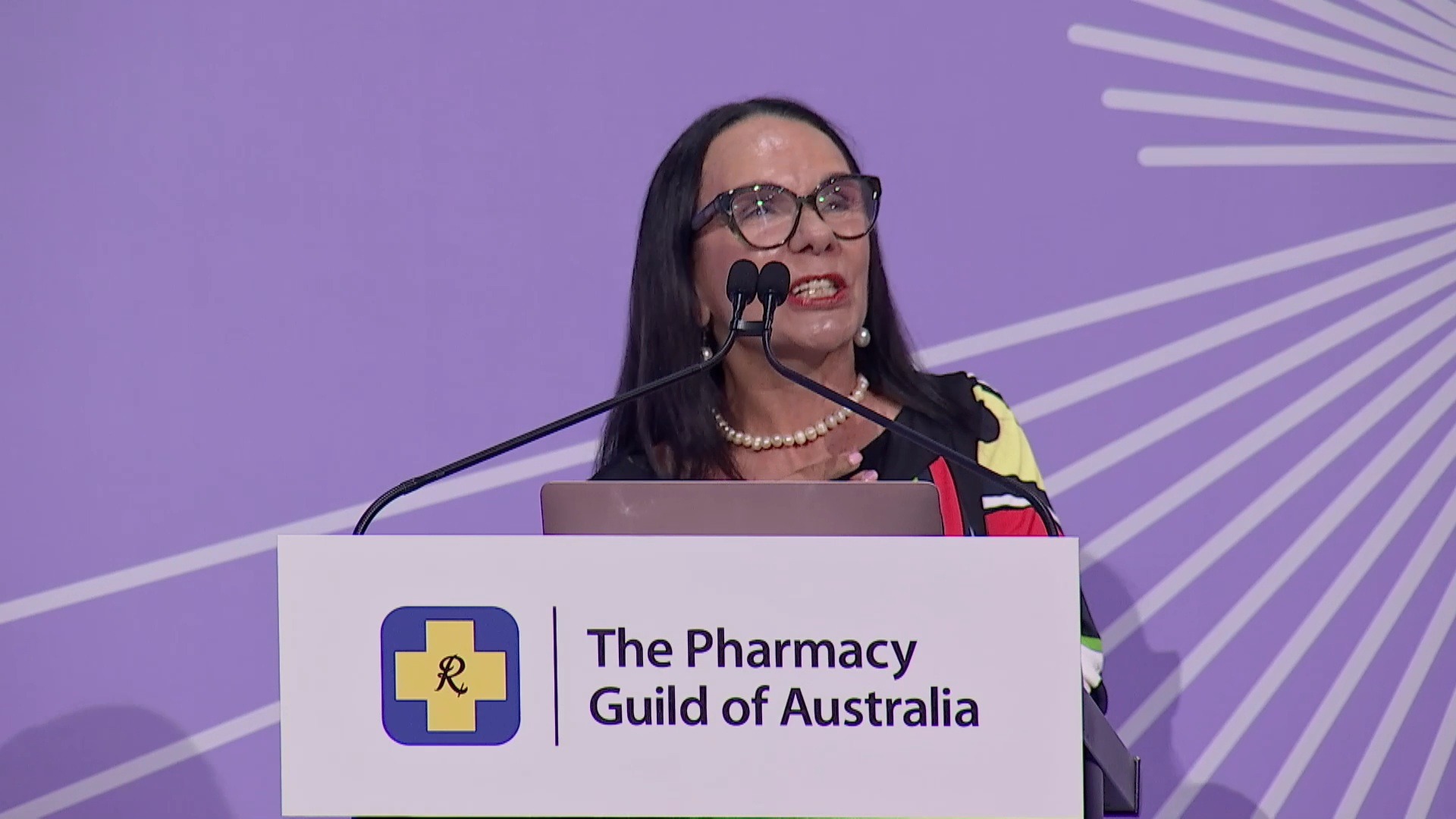
She told delegates the creation of the First Nations Pharmacy Network marked a significant milestone in the profession’s journey toward culturally safe practice. The network, she said, was designed to strengthen First Nations leadership, embed cultural safety, and support self‑determination across pharmacy.
Linda emphasised that culturally safe care could not be achieved without First Nations voices at the centre of decision‑making. She said First Nations pharmacists, pharmacy assistants and communities would play a critical role in shaping priorities and guiding reforms.
According to Linda, energy and leadership were abundant when the network’s 11 members came together for the first time the previous day. She described the meeting as inspiring, driven by participants’ shared commitment to improving health outcomes for First Nations peoples.
The inaugural members of the First Nations Pharmacy Network are:
- Jesyca Pearson, a Wiradjuri woman and intern pharmacist in Karratha, WA
- Kaail Bohm, a Wiradjuri man and registered pharmacist in Narromine, NSW
- Alex Burke, a Wiradjuri man, registered pharmacist and lecturer at the University of Sydney School of Pharmacy
- Shana Valentine, a Kalkadoon and Arrernte woman, pharmacist and pharmacy owner in Mount Isa, Qld
- Shi-Anne Wallace, a Mamu woman and intern pharmacist in Townsville
- Jamie Lowe, a Gundjitmara Djabwurrung man and CEO of the National Native Title Council
- Peter Hatswell, President of the Pharmacy Guild’s Northern Territory Branch
- Cate Whalan, Pharmacy Guild National Councillor for Queensland
- Hannah Mann, an experienced Kimberley‑based pharmacist who works closely with First Nations communities
Linda said several key themes emerged from the inaugural meeting, including improving access to care, strengthening workforce pathways, expanding community‑led models, embedding cultural safety across the profession, and building clearer pathways for First Nations students pursuing pharmacy careers.
Additional priorities include lifting the number of active registrants in the Closing the Gap PBS co‑payment program and encouraging more community pharmacies to adopt grassroots changes that ensure Aboriginal and Torres Strait Islander patients feel safe and welcome.
Linda said a work plan was already in development and expressed optimism about the momentum generated. She thanked those leading the initiative and encouraged the broader pharmacy sector to walk alongside the network.
“I’m looking forward to the work we will all do together,” she told the audience.