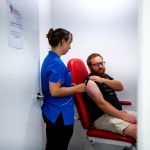
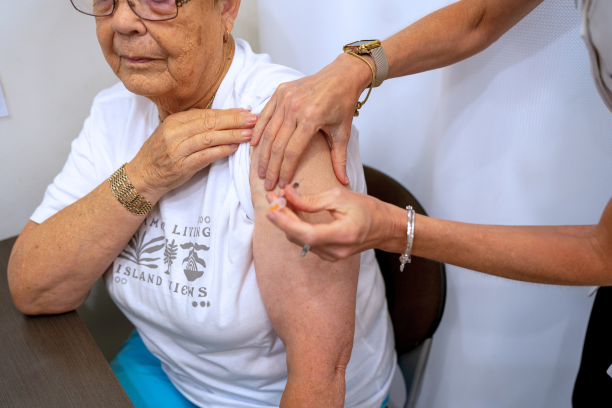
From March 2026, every Queenslander aged six months and over will be eligible to receive a free influenza vaccine, making the scheme the largest and most accessible flu vaccination program in Australia. Vaccines will be available through primary care settings including community pharmacies with broader delivery options planned in workplaces, community events and remote locations.
A key feature of the program is the introduction of a needle‑free nasal spray influenza vaccine for children aged two to five years, available in Queensland for the first time. The vaccine, which has been used extensively overseas, is expected to improve uptake among young children by addressing needle anxiety.
Expanded scope of practice for immunisers
The program will be supported by planned legislative changes to expand scope of practice, allowing trained health practitioners — including pharmacists, registered nurses, midwives, and Aboriginal and Torres Strait Islander health practitioners — to vaccinate more age groups in a wider range of settings.
For community pharmacy, the changes represent a further formal recognition of pharmacists’ role in preventive health care and population‑wide immunisation.
Queensland Minister for Health and Ambulance Services Tim Nicholls said the expanded scope of practice would improve convenience and access for patients.
“This change will allow qualified health practitioners to vaccinate more age groups in a wider range of locations, including workplaces, community and public events, and remote First Nations communities,” he said.
Pharmacies are expected to remain a major access point for vaccination during the 2026 flu season, particularly for working‑age adults and families seeking flexible hours and walk‑in availability.
Community pharmacy welcomes program
The Pharmacy Guild of Australia, Queensland Branch welcomed the expanded program, saying it would enhance pharmacists’ capacity to protect communities during peak flu periods.
President Chris Owen said community pharmacists were well placed to deliver the program at scale.
“This expanded program will see community pharmacists play a bigger role in vaccinating Queenslanders,” he said.
“More opportunities to receive a free flu vaccine will not only benefit individuals directly, but also help prevent the spread of influenza to family members and others who may be at higher risk of complications.”
The Guild said the scheme would also help ease pressure on hospitals and emergency services by reducing avoidable flu‑related admissions.
Reducing demand on healthcare services
Queensland’s Chief Health Officer, Dr Marianne Gale, urged Queenslanders to take advantage of the free vaccination program as vaccines become available across providers through March and early April.
“No one wants to be stuck in bed or in hospital and miss work, school, family events or holidays — and that’s why prevention matters,” Dr Gale said.
“The free flu vaccination program aims to reduce demand on healthcare services by lowering the number and severity of avoidable hospital admissions, leading to fewer occupied hospital bed days.”
In 2025, Queensland recorded close to 100,000 influenza cases and more than 300 influenza‑related deaths, with health data showing the majority of flu‑related hospitalisations and deaths occurred among unvaccinated people.
Complementing national programs
While annual influenza vaccination is recommended for all people aged six months and over, the Commonwealth’s National Immunisation Program (NIP) continues to fund vaccines for higher‑risk groups, including:
- children aged six months to under five years
- pregnant women
- adults aged 65 years and older
- Aboriginal and Torres Strait Islander people
- people with specified medical risk conditions
The Queensland program extends free access beyond these cohorts, ensuring universal coverage regardless of eligibility under the NIP.
Pharmacists are encouraged to check age‑specific vaccine availability and remain alert to updates on the most appropriate vaccine types for individual patients, particularly for paediatric and older populations.
Preparing for the 2026 season
With flu vaccines expected to roll out progressively through March, pharmacies are being advised to prepare early for increased demand, including workforce planning and patient education around vaccine choice and timing.
The expanded program further positions community pharmacy as a frontline provider of preventive healthcare, reinforcing its role in improving vaccination coverage and supporting system‑wide health outcomes during the winter flu season.