Who’s your local community pharmacist and what memories do you have from home?
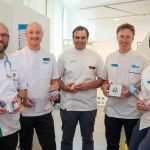
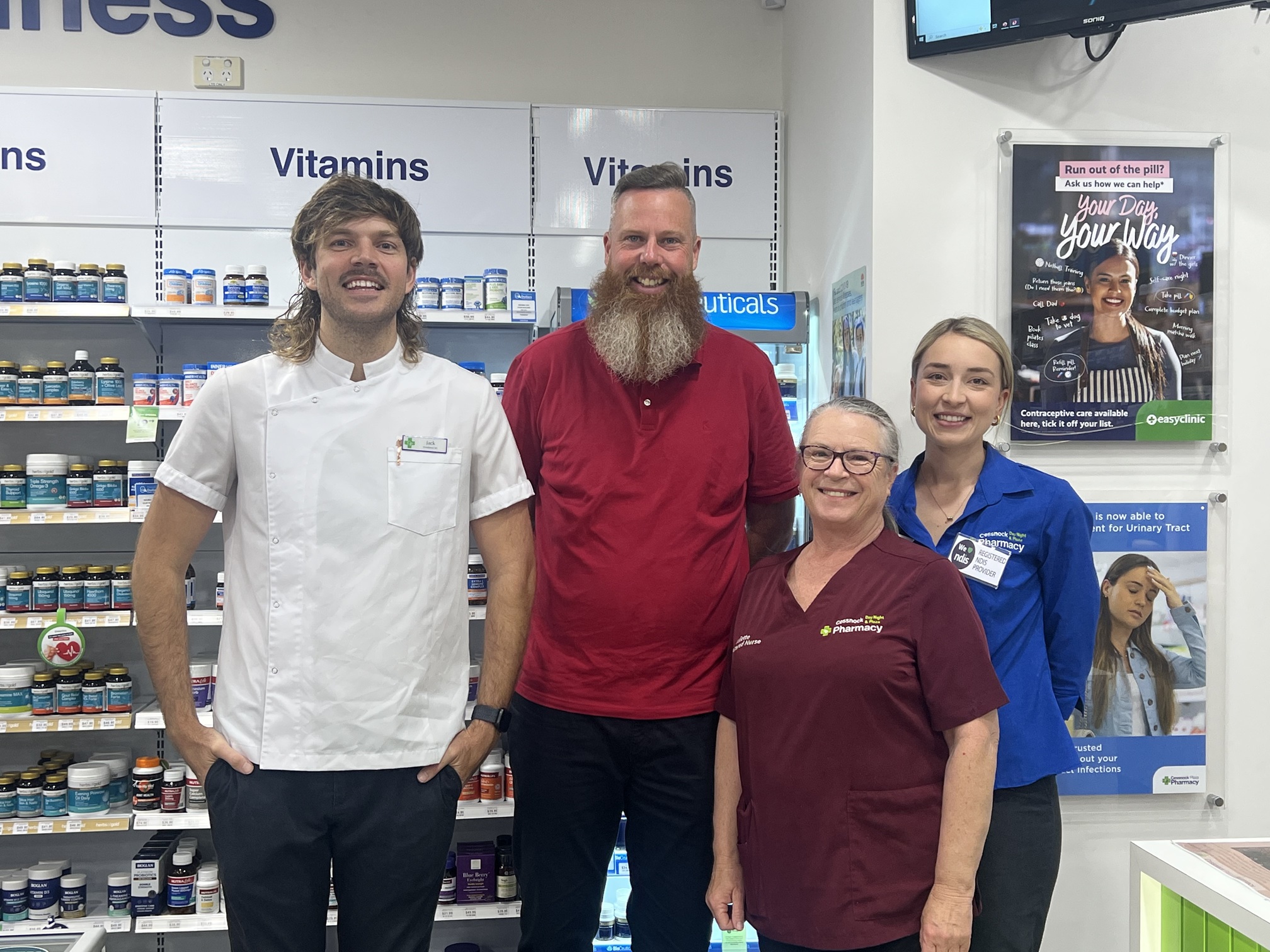
Back home in the Hunter, I generally drop in and see Tim and the team at Cessnock Day Night Pharmacy. They’ve supported my
family for years and have always been there when we’ve needed help. Their advice, steady presence and willingness to go the extra mile has made a real difference to us over a long period of time. There was even an incident involving burns from a hair-removal cream, but I think it’s best we don’t go into too much detail about that one.
What do think have been the biggest advancements in Australia’s healthcare landscape?
The biggest shift has been the way healthcare has become more accessible and more affordable for everyday Australians. Cheaper medicines, increased bulk billing, expanding mental health support, and better digital health tools have all made a huge difference. We’ve moved towards a system where people can actually get the care they need without unnecessary stress or financial pressure.
What are the top three things which have changed for you since becoming Special Envoy for Men’s Health?
More men reach out wanting advice or support about their health. I spend far more time listening to the concerns of families, community groups and health workers about men’s health issues. I’ve become more focused than ever on my own health
habits and making sure I set a good example.
What feedback have you heard about the PBS co-payment reduction so far?
People love it. Pharmacists tell me families are saving real money, and locals tell me they can finally afford all their scripts without playing ‘which one this month will hurt the least?’.
What more would you like to see happen with the PBS, especially for men?
More access, more affordability, and faster listings, especially for conditions men avoid talking about until something
falls off or stops working. We’ve still got work to do to make sure cost is never a barrier to getting help.
What’s in your cost-of-living health kit and what do you want to see happen sooner?
The kit includes practical steps people can take right now, understanding PBS safety nets, checking bulk-billed services,
talking with pharmacists about alternatives, and making sure they’re getting the best price available for medicines.
What I want to see sooner is even easier access to care: shorter waiting times, less red tape, and simpler pathways for people to get the support they need. Healthcare shouldn’t feel like navigating a maze.
What keeps you up at night as Special Envoy for Men’s Health?
Blokes not talking. That’s it. Not the issues, we can deal with those. It’s the silence that scares me.
Do you feel responsible for modelling good health and what are your top three tips?
Absolutely, though I’m definitely a ‘work in progress’.
My top tips:
- Move your body — even if it’s just chasing the dog or the kids or going for a quick stroll.
- Talk to someone — mates, partners, professionals. Don’t bottle it up.
- Get checked — especially the bits you’d rather not discuss.
What do you bring to the political table from being an athlete, a miner, and a fitter and turner?
Hard work, thick skin, and the ability to stay calm when something unexpectedly explodes, skills that are surprisingly handy in Parliament too.
What are you most proud of from your time in politics so far?
Helping real people. Whether it’s getting someone cheaper medicine, fixing a local phone tower, or making sure blokes feel supported, those wins mean more to me than any headline.