The Community Pharmacy Chronic Conditions Management Pilot (the pilot) was developed out of Queensland’s Scope of Practice Pilot in July 2025 and will run through until the end of June this year.
It’s designed to empower pharmacists who have undergone additional training, to prescribe and help patients manage their chronic conditions.
These conditions include type 2 diabetes, hypertension, hyperlipidaemia, asthma, and chronic obstructive pulmonary disease (COPD).
By supporting further work around pharmacists’ scope of practice, Queensland Health is unlocking the potential of one of the most accessible and trusted healthcare professionals.
There are more than 100 pharmacists in Queensland who are ready to meet the new scope requirements, with more undergoing additional training and getting ready to participate.
Why this matters
In 2022, approximately half the Australian population had at least one chronic condition.
Almost 80 percent of all Australians also had one long-term health condition, further proving the necessity of increasing patient access to chronic disease primary care.
The expanded services from community pharmacies provides a range of benefits for Australian patients.
These include wider access to primary healthcare and improved chronic disease management as pharmacists initiate, monitor and adjust treatments with patients.
These extra services will also assist in improving greater health equity, especially in regional and remote communities which have decreased access to chronic disease management services.
What it involves
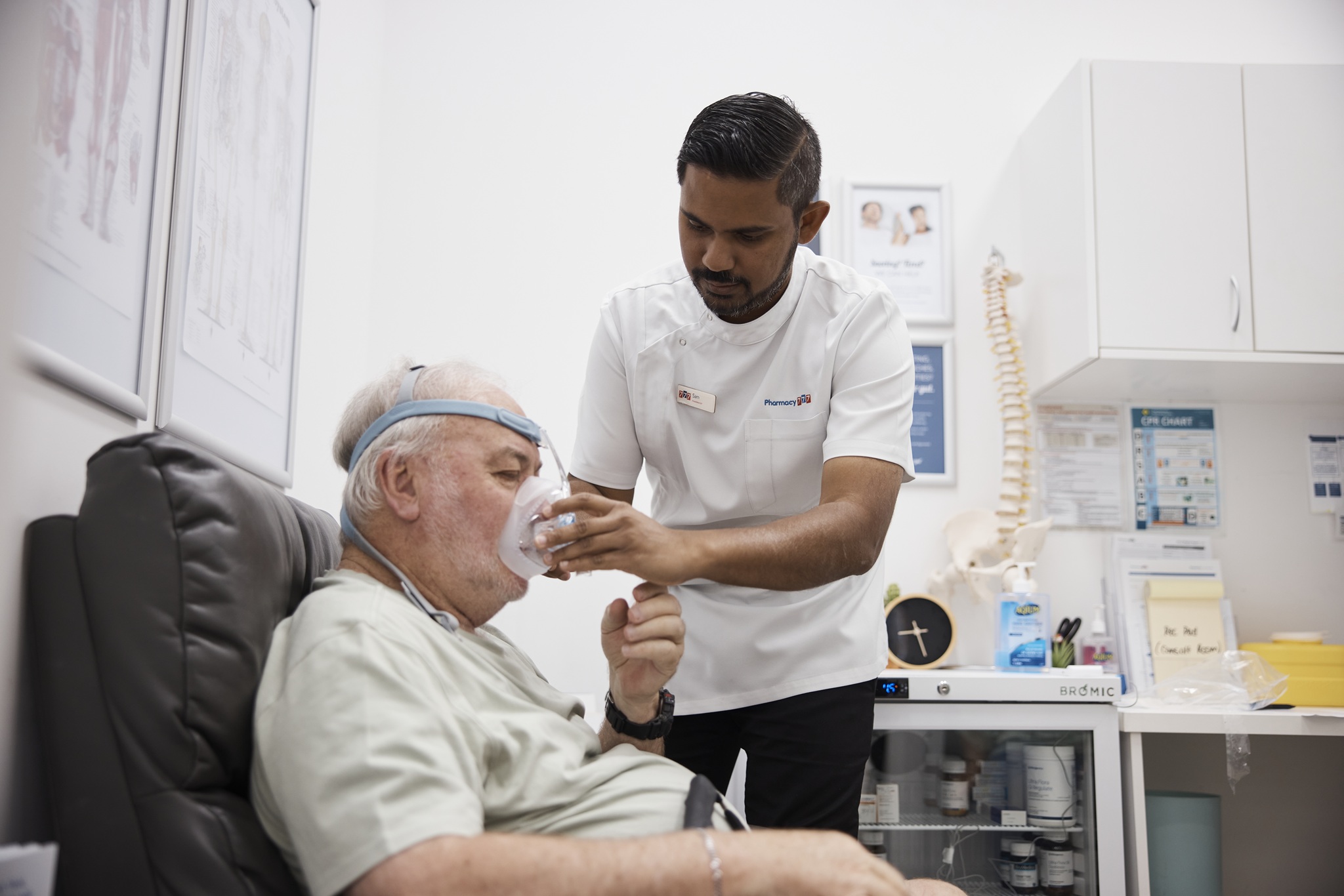
Pharmacists who have completed additional training are now able to help patients understand and manage their chronic illness through ongoing education and prescribing non-pharmacological and pharmacological medication where appropriate.
Whether it be helping asthma patients manage their symptoms more effectively through treatment optimisation and developing asthma action plans, or to address risks for cardiovascular disease and diabetes, community pharmacies are continuing their transformation into primary healthcare hubs.
How can pharmacists increase patient intake awareness
Here are a few ways pharmacists can begin to identify and support patients with chronic conditions:
- Use PGA pharmacy signage positioned near the dispensary or waiting area promoting the chronic illness services
- Gauge whether a patient may be eligible through everyday conversations such as, ‘I see you’re picking up your blood pressure medication — did you know we can now help manage your treatment in community pharmacy?’
- Train the whole pharmacy team to identify and refer patients who mention chronic conditions or come in for repeat prescriptions.
Significant advancement
There are more than 100 pharmacists in Queensland who are ready to meet the new scope requirements, with more undergoing additional training and getting ready to participate.
This change is one of the most significant advancements in Australian community pharmacy practice in decades.
It redefines the pharmacist’s role from the dispenser of medicines to a primary healthcare provider, capable of initiating and managing treatment for chronic conditions and adding more patient-directed services to the communities these pharmacies serve.
Related Links

Pharmacists in Queensland who have completed extra clinical training can offer consultations for the management of select chronic conditions
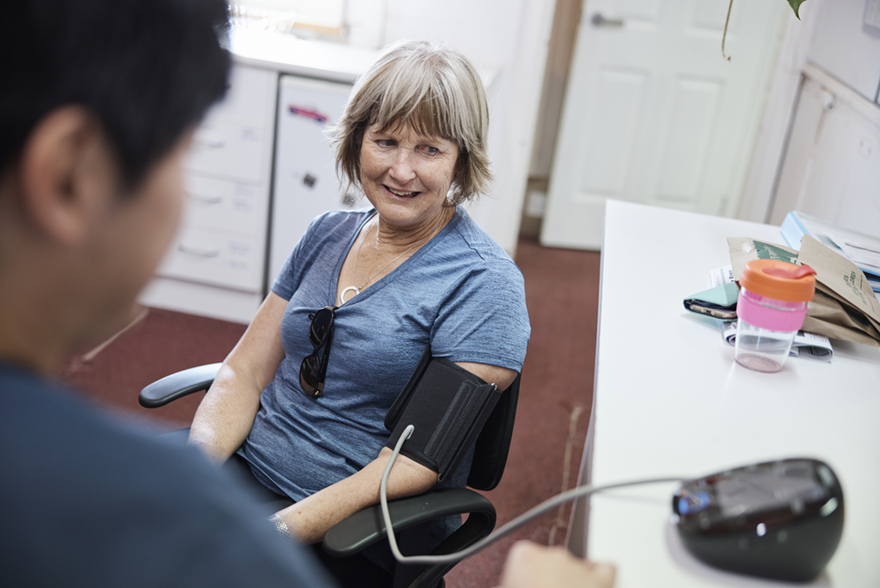
Pilot services in Queensland will be available at participating pharmacies until June 30 2026