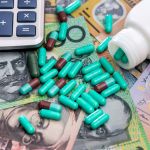
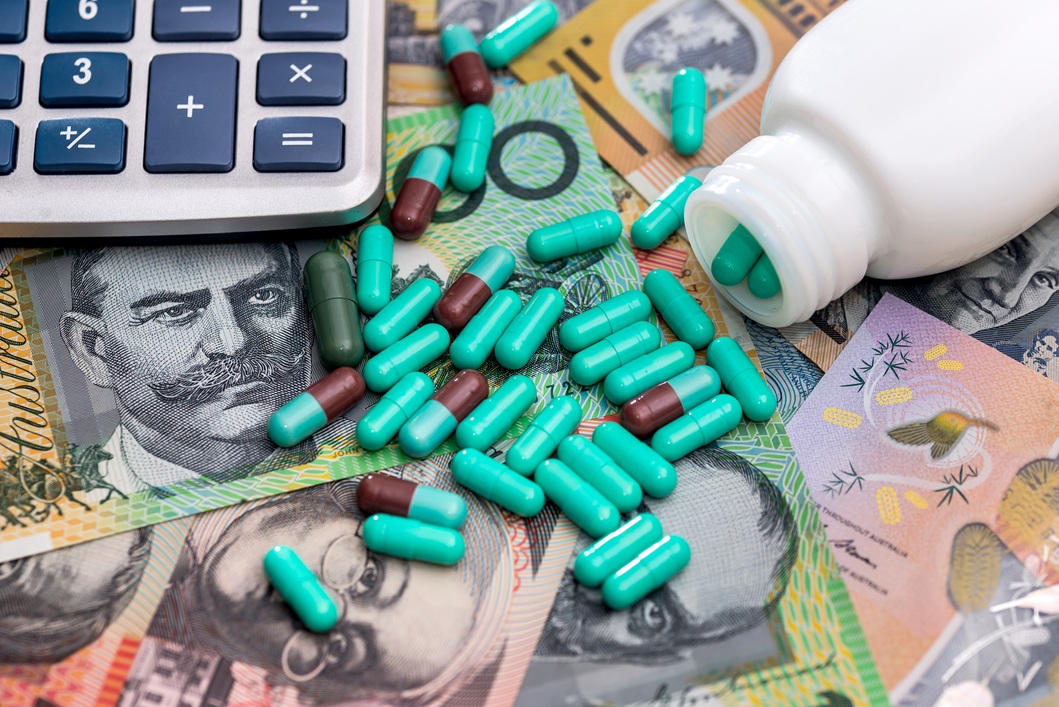
From January 1, the maximum amount a general (non-concession) patient can be charged for a PBS-listed medicine has dropped from AUD31.60 to AUD25.00 per script.
It is only the second time in PBS history the general co-payment has been reduced, marking a milestone in the ongoing fight to keep essential medicines affordable.
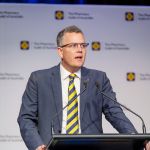
“Medicine should never be a luxury item,” PGA’s NSW Branch President Mario Barone said.
“Over the past few years, far too many people have been forced into impossible choices — filling their script or paying the electricity bill, buying their tablets or buying groceries.
“This change won’t solve every problem, but it gives families breathing room and the dignity of being able to look after their health.
“This success was only made possible via collaboration,” he said.
“We partnered with more than 20 health and patient advocate organisations through the Affordable Medicines Now campaign to advocate for the cut.
For concession-card holders, including pensioners, low-income earners and eligible beneficiaries, the current AUD7.70 co-payment remains unchanged, continuing the freeze implemented in recent years to protect the most vulnerable.
Every script a patient can afford to fill is a step toward preventing avoidable hospitalisations; or complications.
NSW Branch President Mario Barone
The reduction has arrived at a time when cost-of-living pressures are shaping nearly every aspect of household spending.
Rising rents, higher grocery prices, and increasing utility costs have pushed many people living in Australia to reassess their financial priorities.
For a growing number, this has included making difficult choices around medication — delaying scripts, rationing doses, or abandoning treatment altogether.
Pharmacists, advocates and health groups have warned for years that, for many, medicine affordability has become a quiet but urgent public health crisis.
Why the reduction matters
While an AUD6.60 price drop per script may appear modest at first glance, the cumulative impact is substantial.
Many people in Australia take two, three or even more regular medications to manage chronic conditions such as hypertension, diabetes, asthma, arthritis or mental-health disorders.
For a person taking just two PBS medicines every month, the annual saving is around AUD160.
For someone on multiple long‑term therapies, the savings grow even more significant.
In community pharmacies, the consequences of cost pressures have been visible for years: patients quietly asking whether they can ‘stretch out’ a prescription; carers splitting doses for elderly relatives; or young adults with mental-health conditions skipping medication entirely because money simply wasn’t there.
“These are conversations pharmacists hear every day,” Mr Barone said.
“We do our best to help, but when someone genuinely cannot afford their medicine, it becomes a heartbreaking and sometimes dangerous situation.
“This reduction means fewer people in Australia will have to make those desperate decisions.”
How the reduction could boost adherence
Health professionals have long emphasised adherence — or taking medicines exactly as prescribed — is one of the most important predictors of long-term health outcomes.
When patients skip doses or abandon treatment, the consequences can be far more costly than the medicines themselves.
Hospital admissions, emergency presentations and worsening chronic conditions all place additional strain on the health system.
Affordable medicines, by contrast, improve continuity of care.
Patients are more likely to stay on track, more likely to follow through with their GP or specialist’s advice, and more likely to maintain stable health.
“Better adherence means better health — and better health reduces pressure right across the system,” Mr Barone said.
“Every script a patient can afford to fill is a step toward preventing avoidable hospitalisations or complications.”
Did you know?
The Pharmacy Guild of Australia launched the Affordable Medicines Now initiative to advocate for more affordable subsidised prescription medicines (PBS) in Australia.
The campaign focused on lowering patient co-payments, helping to alleviate cost-of-living pressures and ensuring essential medications remain within reach for those who might otherwise struggle to afford them.
What stays the same
The AUD25 co-payment applies only to general patients. Concession-card holders continue to pay AUD7.70, with that price held steady for several years.
Some medicines, particularly those with brand premiums, may still attract additional costs. Patients are encouraged to speak with their pharmacist about equivalent, lower-cost generics where available.
One practical implication of the reduced co-payment is it may take some general-patient households slightly longer to reach the PBS Safety Net threshold, which triggers cheaper or free medicines for the remainder of the year.
The PGA has said however the upfront savings per script still represent a net benefit for the majority of patients.
A meaningful win
The 2026 co-payment reduction lands amid a broader conversation about equitable access to healthcare.
Australia’s universal healthcare system is built on the principle that essential treatment should remain within reach for all — not only for those with financial security.
The PBS reduction brings policy closer to that ideal.
For community pharmacists, the change is not just policy — it is personal.
“We know our patients. We see them month after month, year after year,” Mr Barone said.
“We see their triumphs and struggles, and we hear their stories.
For many, this reduction will feel like a weight lifted. It’s a win for fairness, but also a win for compassion.
NSW Branch President, Mario Barone
As patients adjust to the new pricing, pharmacies across the country are ready to support them through
the transition.
With lower medicine costs and greater room in strained budgets, many people will be in a stronger position to manage their health — not as a luxury, but as a basic right.