Together, these changes represent a significant improvement in medicines affordability.
Australians have saved more than $1.4 billion on PBS medicines since prescription prices were first reduced in 2023, including more than $130 million in 2026 by August following the introduction of the $25 maximum.
Those are impressive numbers. But as community pharmacists, we also understand what sits behind them.
We see the patient managing diabetes, asthma or cardiovascular disease who needs several medicines every month. We see the family balancing prescriptions alongside groceries, housing and electricity bills. And we see how quickly the cost adds up when there is more than one medicine, or more than one person in a household requiring treatment.
That is why cheaper medicines matter.
They are not simply a cost-of-living measure. Affordability is fundamental to access. A prescription cannot improve someone’s health if they cannot afford to have it dispensed or continue taking their treatment as recommended.
Research has provided a stark reminder of this. Before the latest reduction, one in five Australians reported delaying or going without medicines because of cost. More recent Australian Healthcare Index research found 34% had gone without prescription medication in the previous 12 months because of cost concerns, while 10% had reduced their dose to make their medicines last longer.
Keeping patients at the centre
The progress we have made on cheaper medicines did not happen overnight.
For years, the Guild has advocated for lower medicine costs on behalf of patients, working alongside health and patient organisations and, importantly, drawing on what community pharmacists were seeing and hearing every day.
More than 20 health and community organisations joined pharmacists in highlighting the effect medicine costs were having on Australians, particularly people living with chronic and complex health conditions.
That collective advocacy helped keep affordability firmly on the national agenda.
The result has been two substantial reductions in the general PBS co-payment in just a few years, first to $30 and then to $25. Without those changes, indexation would have pushed the maximum general co-payment towards $50. The focus now is on protecting that progress.
Under current arrangements, the $25 maximum general co-payment will begin increasing through indexation from 1 January 2027. Concession card holders already have the certainty of knowing their maximum PBS co-payment is frozen at $7.70 until 2030.
We believe Australians paying the general copayment deserve similar certainty, and that the maximum should remain at $25 until 2030.
Listening to Australians
One of the most important parts of this advocacy has been making sure patients themselves are heard.
Thousands of Australians have supported the call to keep medicines at $25, while hundreds have taken the additional step of telling us why it matters to them.
By late October, almost 5000 people had signed the petition and almost 1,000 patient stories had been collected.
Those stories are powerful because they take us beyond statistics and policy settings. They show what saving a few dollars on each prescription can mean for an older Australian managing several chronic conditions, a parent supporting a family or a younger Australian already facing significant household costs.
They have also helped us take the patient experience directly to decision-makers.
Since June, Guild National Councillors and government relations representatives have met with more than half of the ALP caucus, as well as Ministers and the Prime Minister’s office. Pharmacist MP Liaisons have hosted 62 MPs in community pharmacies since July, giving parliamentarians the opportunity to hear about medicine affordability in the communities they represent.
For me, that local engagement is particularly important.
Thousands of Australians have supported the call to keep medicines at $25, while hundreds have taken the additional step of telling us why it matters to them.
There is a difference between discussing the PBS in Parliament House and standing inside a community pharmacy, speaking with the pharmacist and hearing directly from a patient about what the cost of their medicines means to their household.
Both conversations matter, but bringing them together makes the case much stronger
Australians want medicines to stay affordable
We also now have a clear picture of what Australians think.
YouGov polling commissioned by the Guild found 51% of Australians believe the maximum PBS prescription price should remain frozen at $25, while another 27% want medicine prices reduced further.
More than eight in 10 Australians, 81%, said they would be concerned if PBS prescription costs increased in January 2027.
That sentiment cuts across the community. Some 83% of women and 73% of men want the price frozen or reduced, with strong concern about increasing medicine costs among both Australians aged over 50 and younger Australians aged 18 to 24.
For community pharmacists, I suspect those findings come as little surprise.
The impact of an increase cannot always be measured by looking at the price of a single prescription. For a patient who needs four, five or six medicines every month, the cumulative cost matters.
Making the case to freeze $25
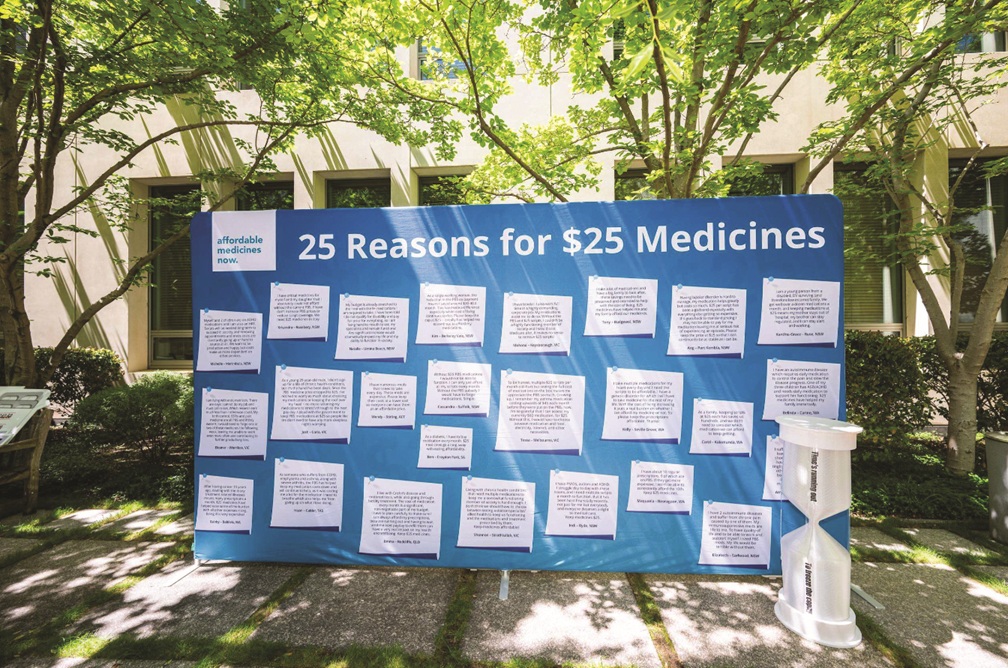
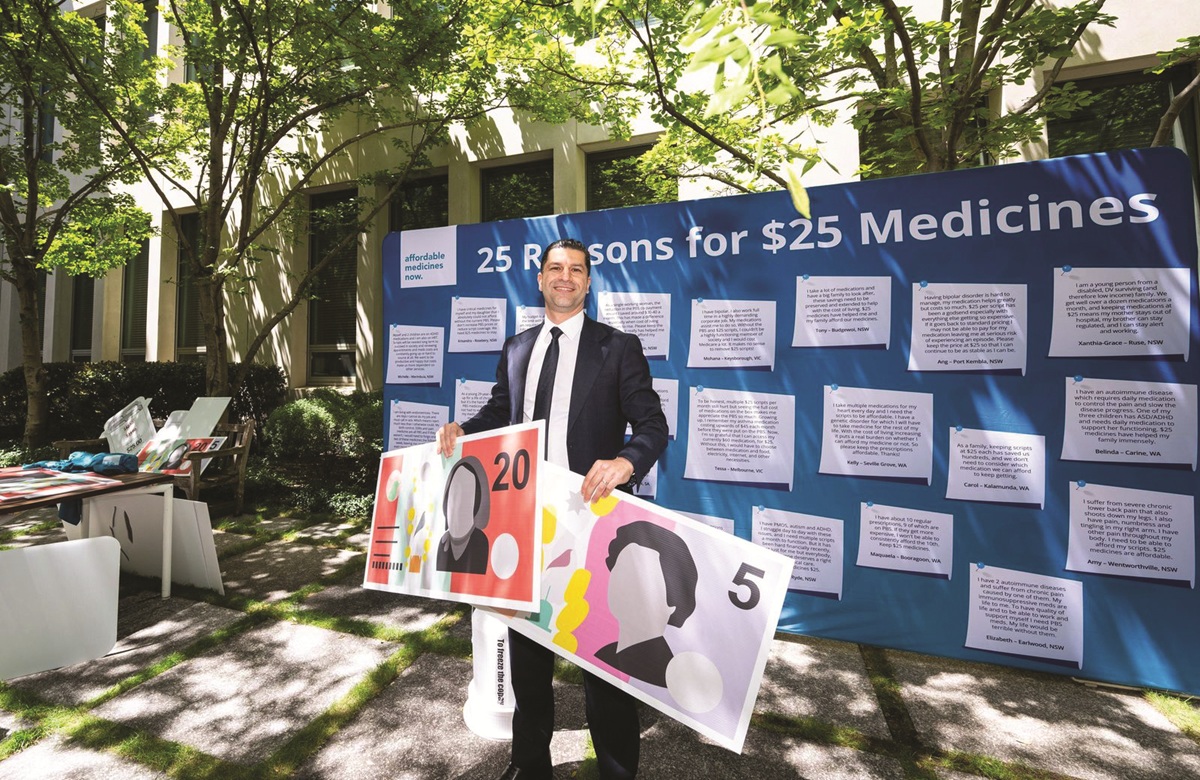
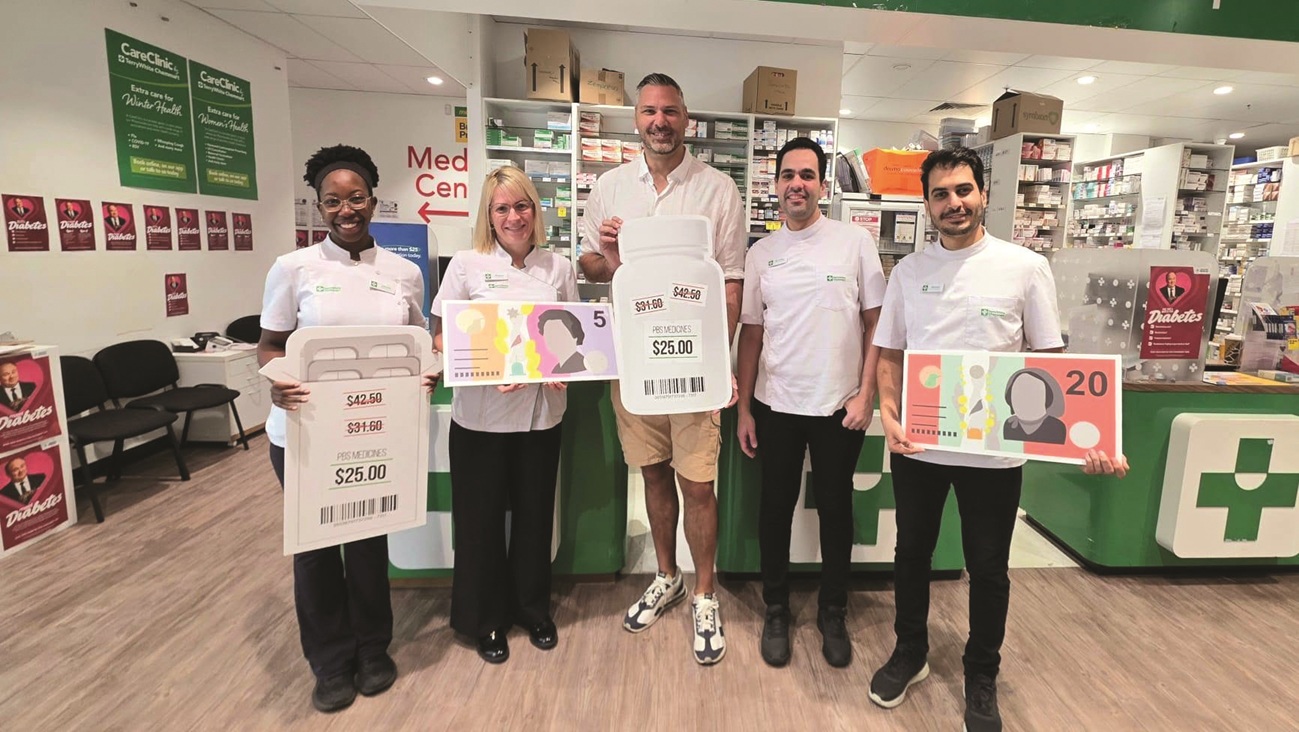
We recently took that message back to Parliament House with Grills, Chills and $25 Pills, bringing together parliamentarians, patient and health advocates, community pharmacists and Guild representatives to talk about why keeping medicines affordable matters.
More than 35 parliamentarians and staff attended, joined by six ACT community pharmacists who shared their first-hand experiences of the difference medicine affordability makes for patients.
At the centre of the event were 25 patient stories displayed on a media wall.
For me, that was the most important part of the day.
The stories put real people and real experiences behind a discussion that can otherwise become dominated by numbers, indexation and policy settings. They reminded everyone present that decisions about the PBS ultimately affect someone standing at a pharmacy counter.
The sausages and gelato provided a relaxed setting for those conversations, with the frozen treats offering a playful nod to keeping the $25 price frozen.
But the substance was serious.
Health and patient organisations engaged in the broader advocacy have included Diabetes Australia, Kidney Health Australia, Asthma Australia, Arthritis Australia, the Heart Foundation, Sexual and Reproductive Health Australia and Indigenous Allied Health Australia.
Their involvement, together with the experiences of community pharmacists and patients themselves, has helped ensure this remains what it should be: a conversation about access to healthcare.
Locking in cheaper medicines
There is a lot to be proud of in what has already been achieved.
The maximum general PBS co-payment is at its lowest level in two decades. Australians have saved more than $1.4 billion since the first reduction in 2023. And in pharmacies across the country, we are seeing what more affordable medicines mean for the people we serve.
We should now build on that progress.
Keeping the maximum general PBS co-payment at $25 would give patients greater certainty and help preserve one of the most significant improvements in medicines affordability in recent years.
As pharmacists, we have an important role to play in continuing to tell that story, not only through the data, but through the experiences of our patients and communities.
The maximum general PBS co-payment is at its lowest level in two decades. Australians have saved more than $1.4 billion since the first reduction in 2023.
Because ultimately, cheaper medicines are not about a price point.
They are about whether Australians can afford to start their treatment and stay on it.
And that is the principle at the heart of our advocacy: the cost of a medicine should never be the reason a patient goes without the treatment they need.